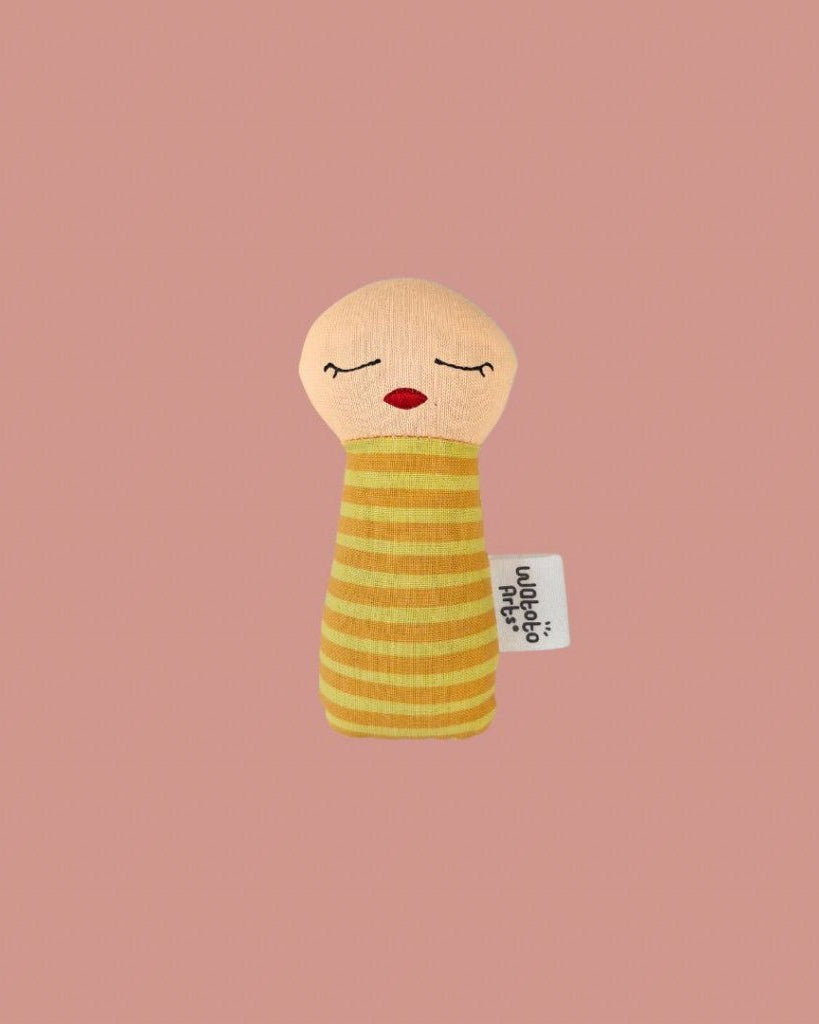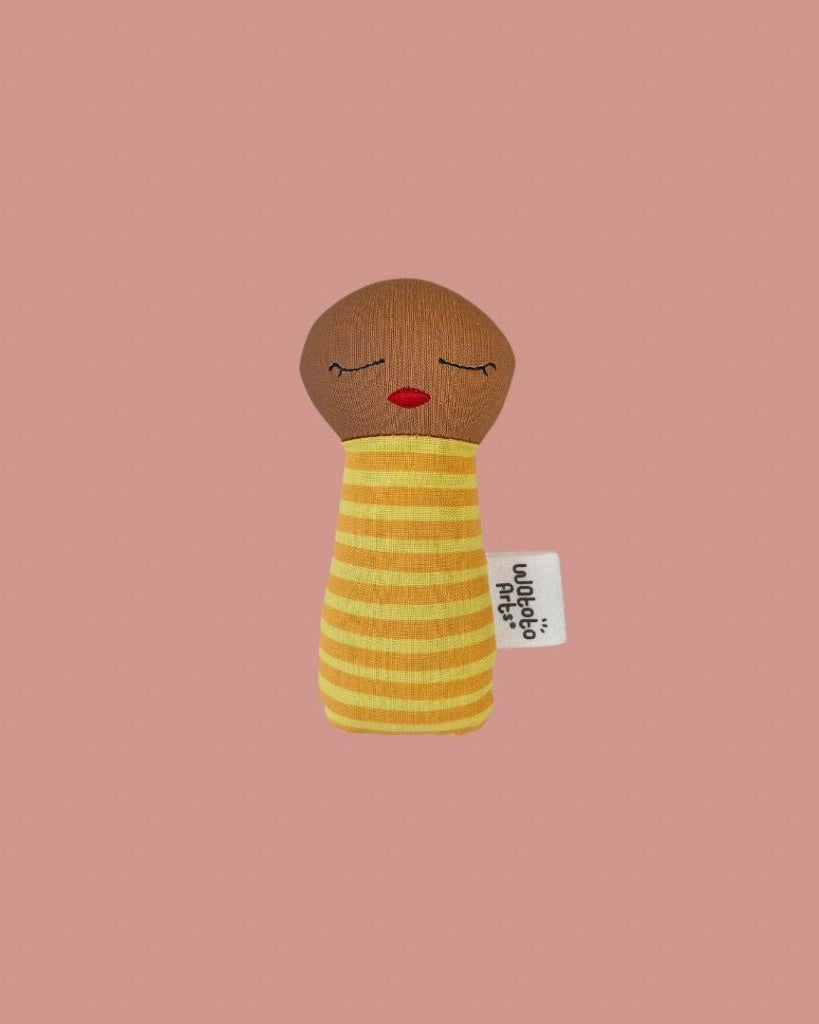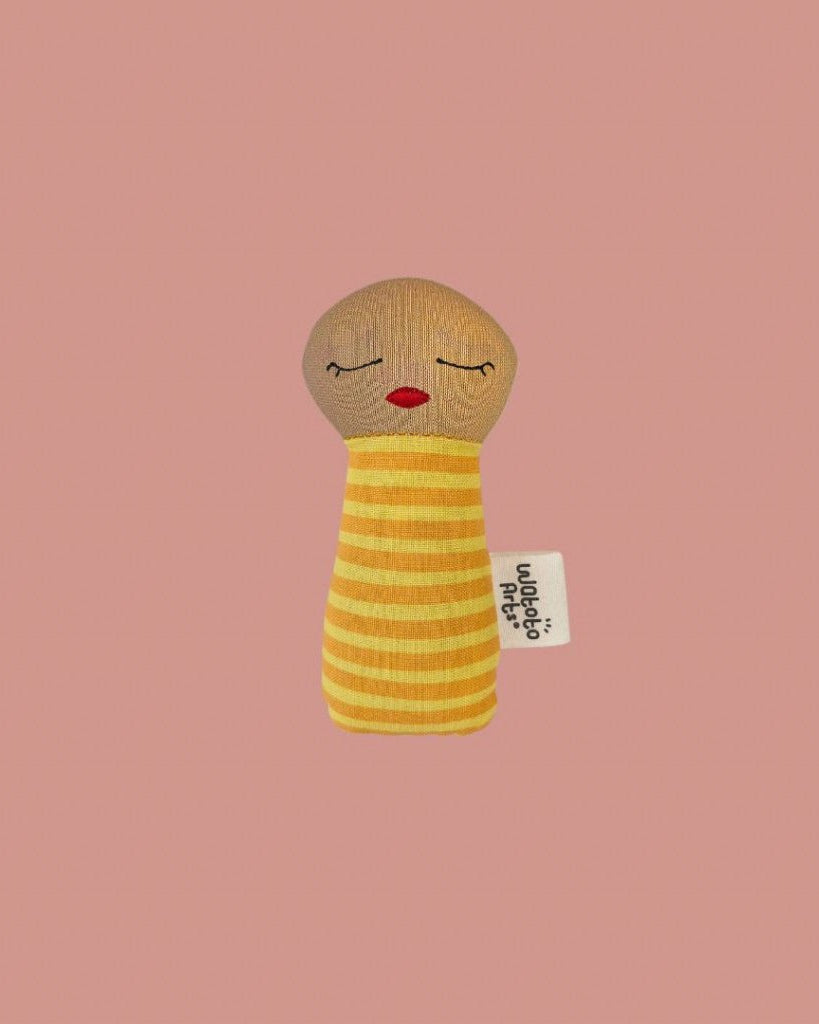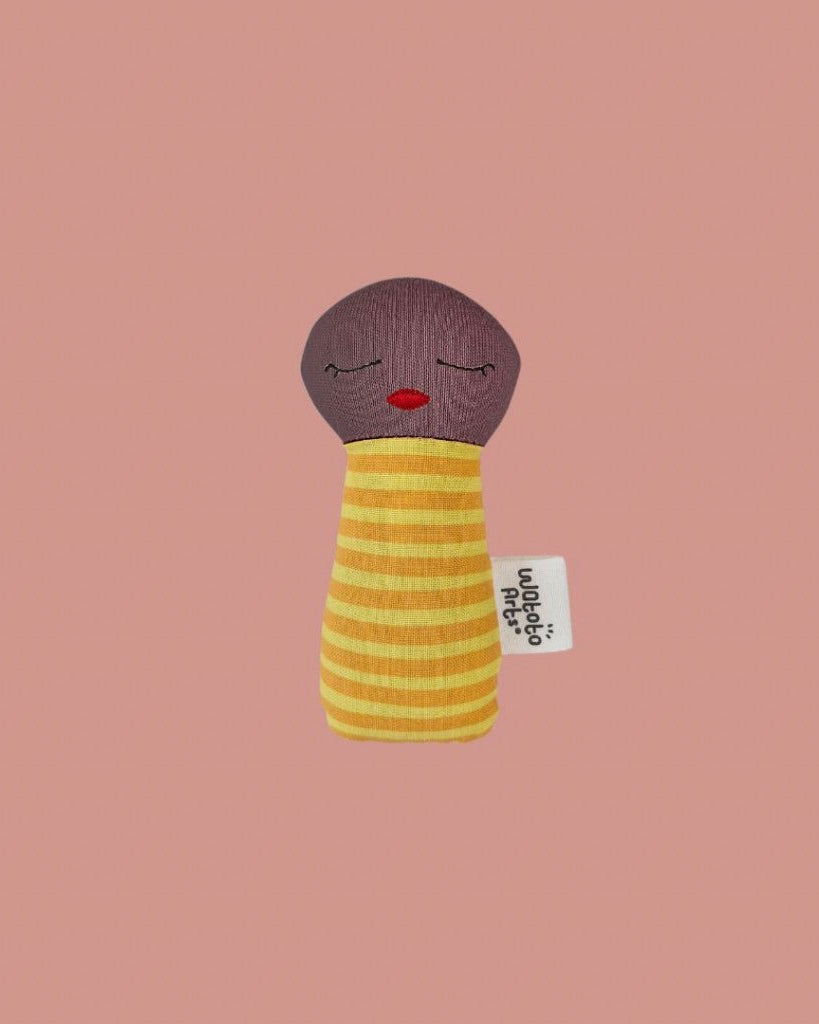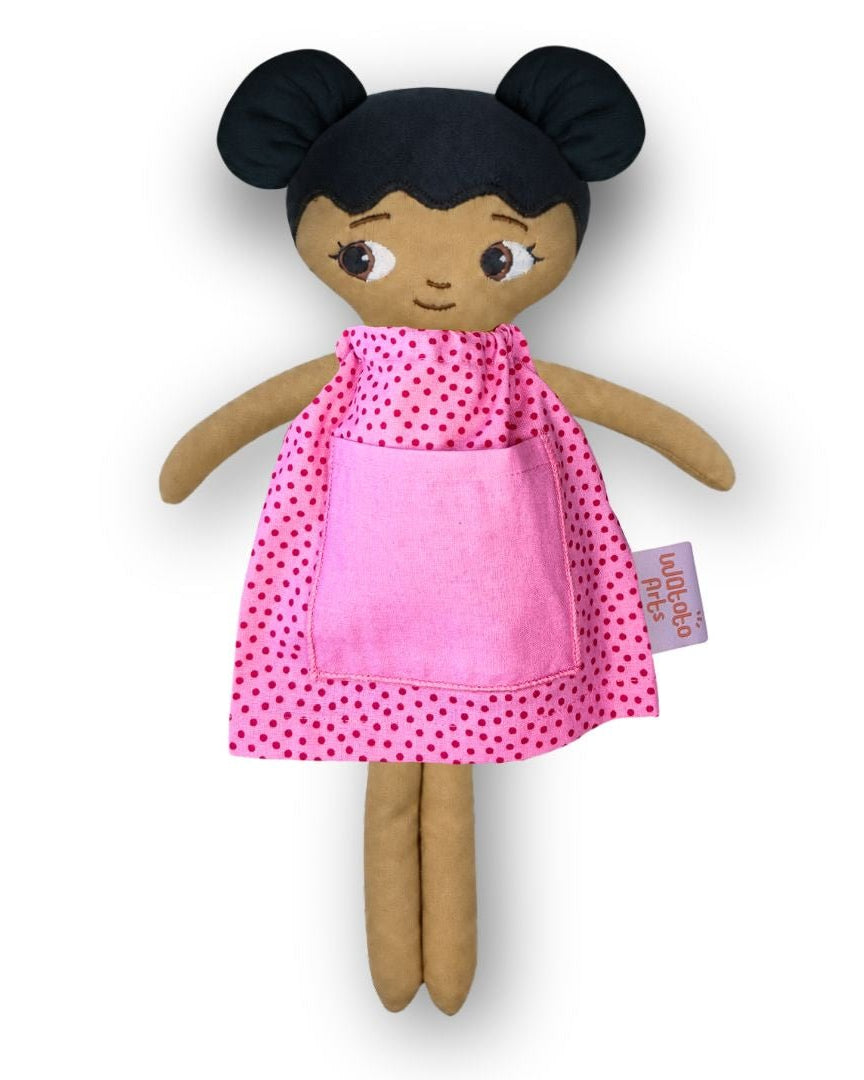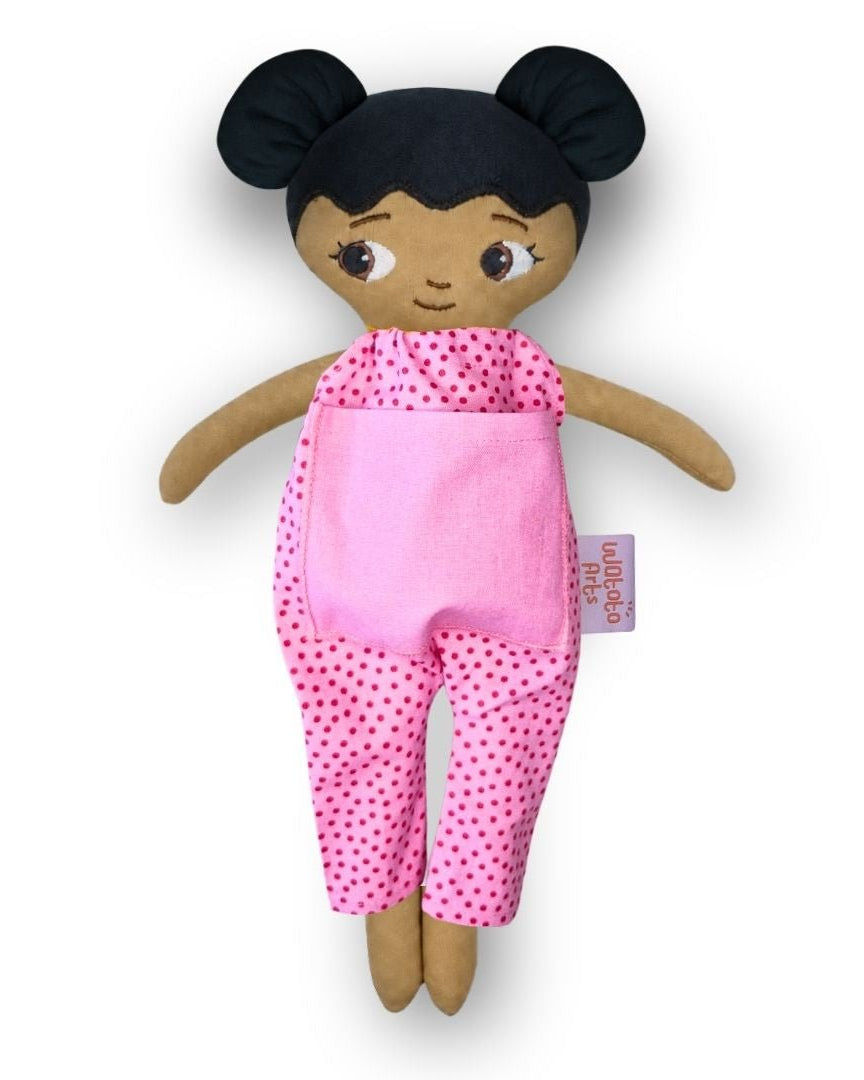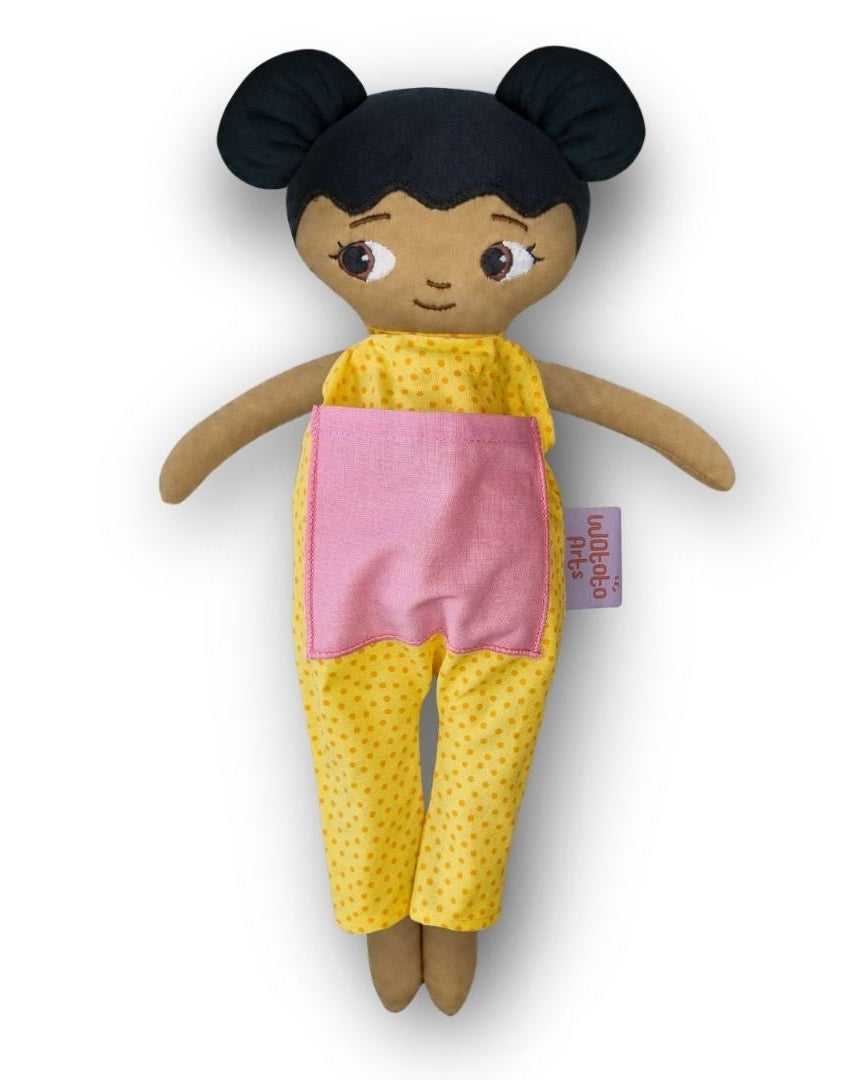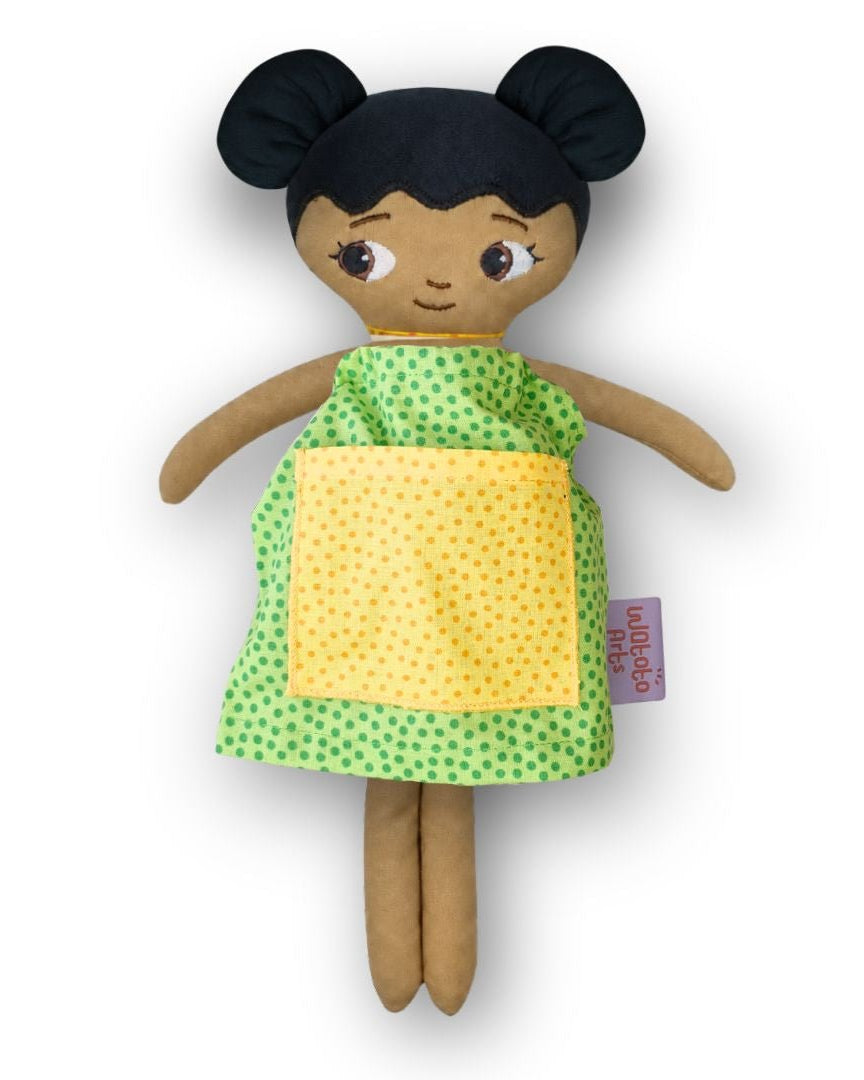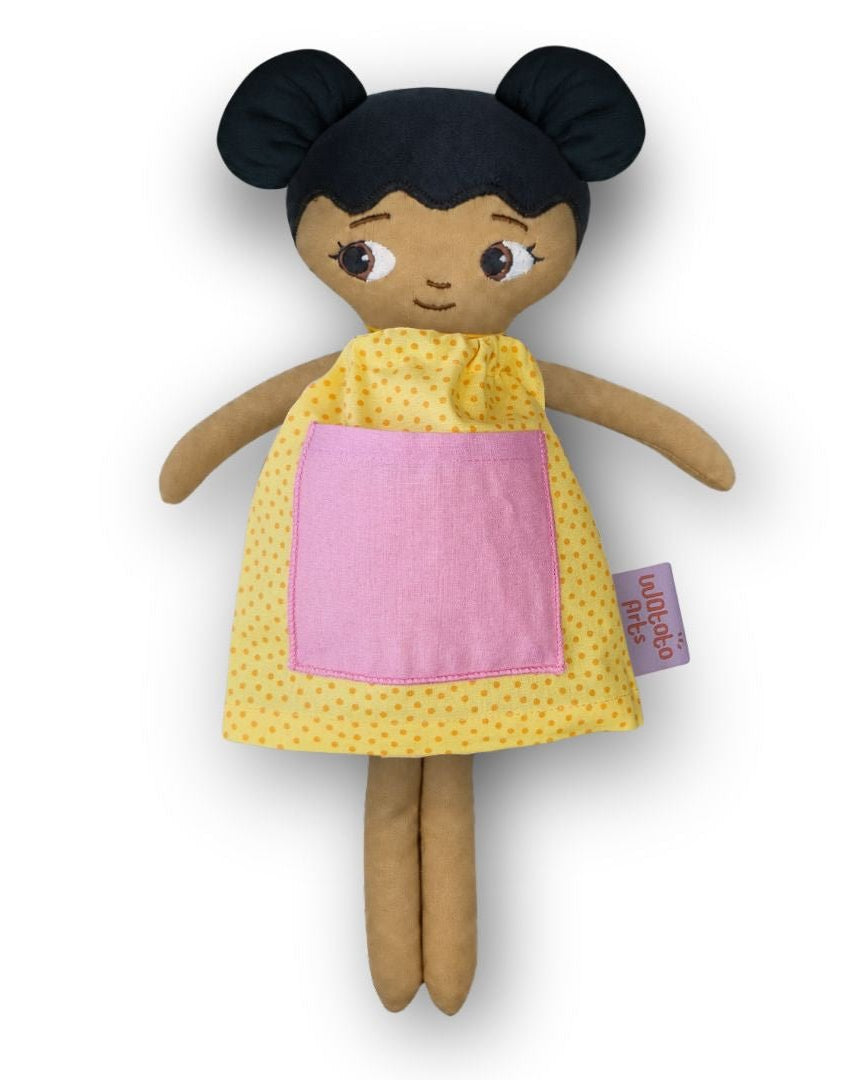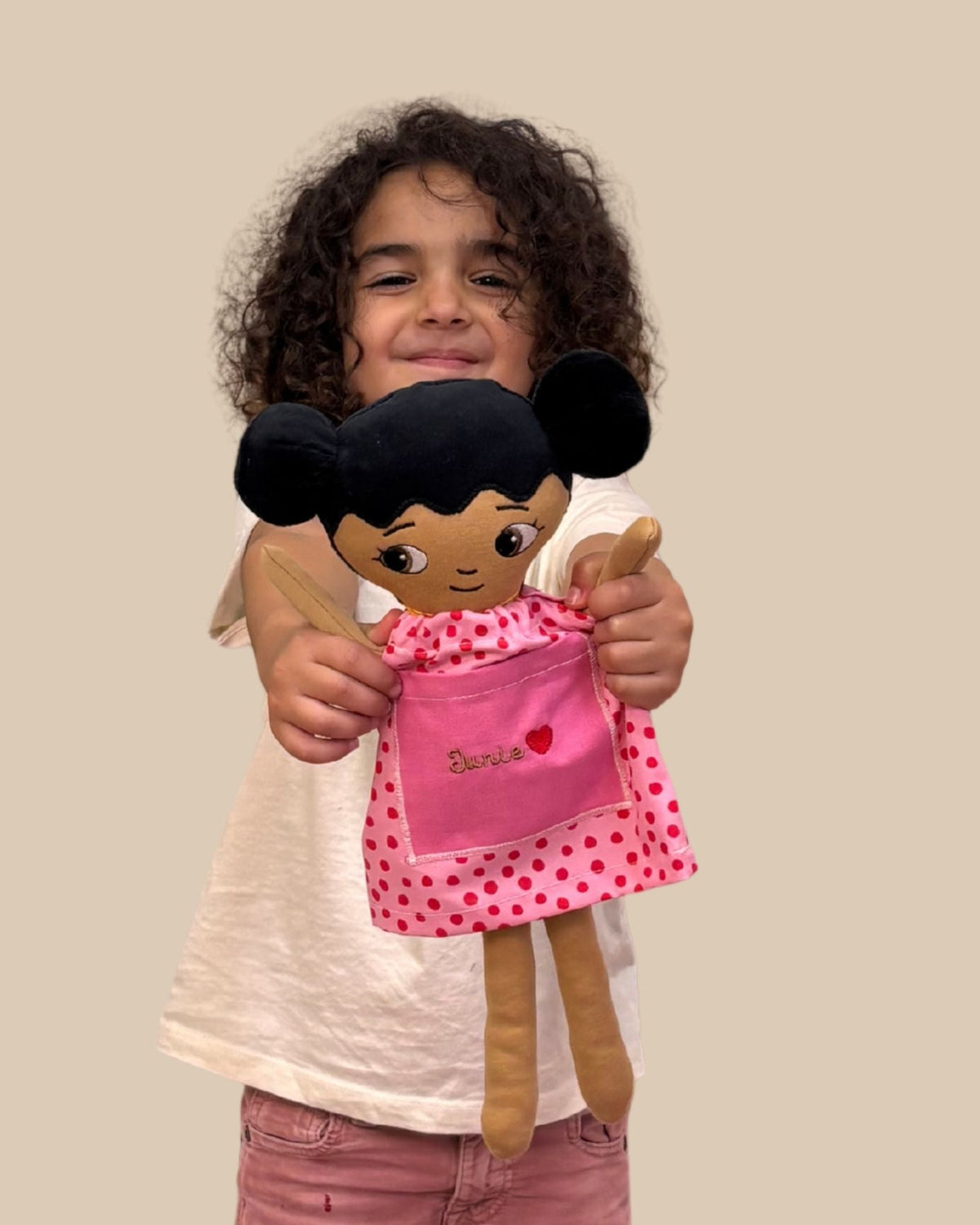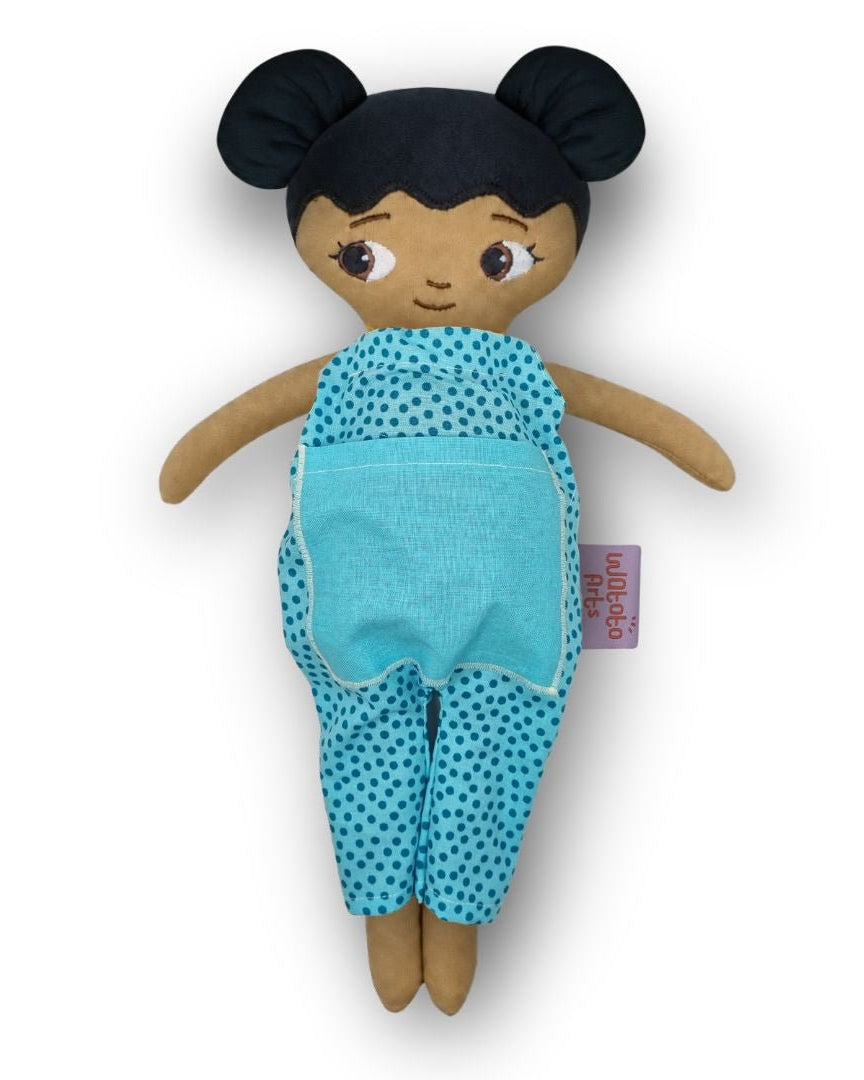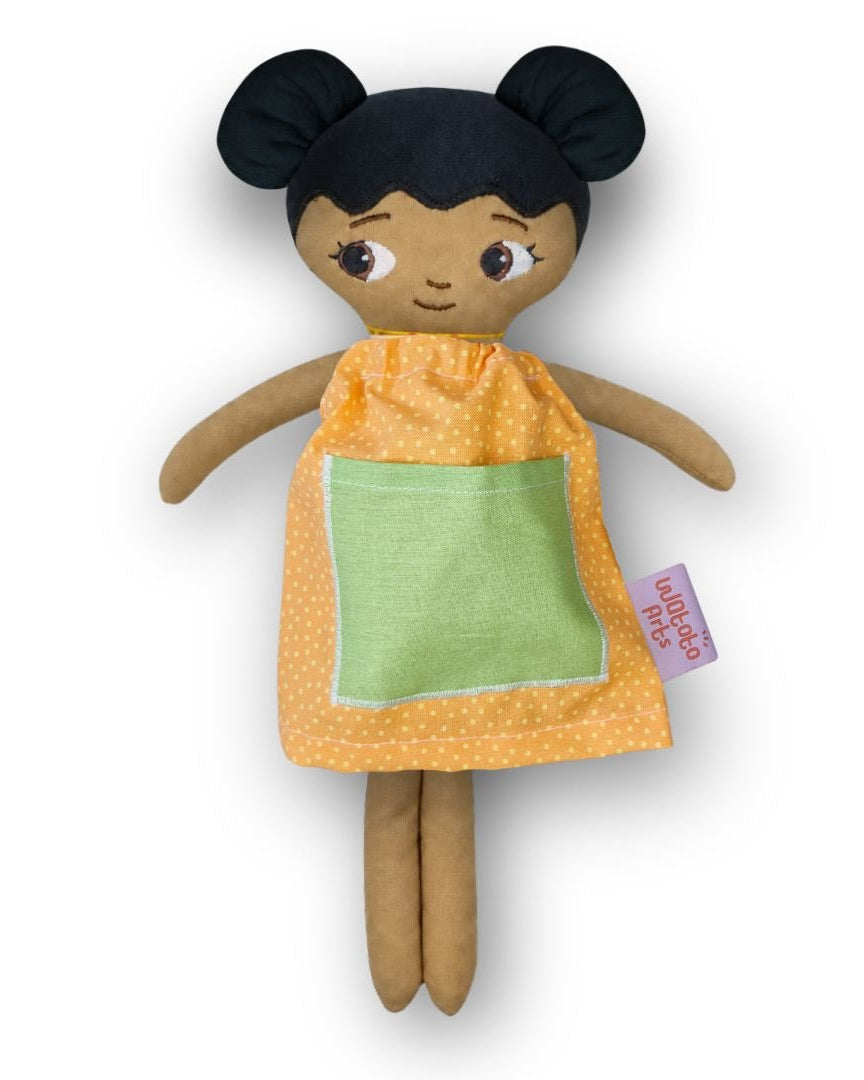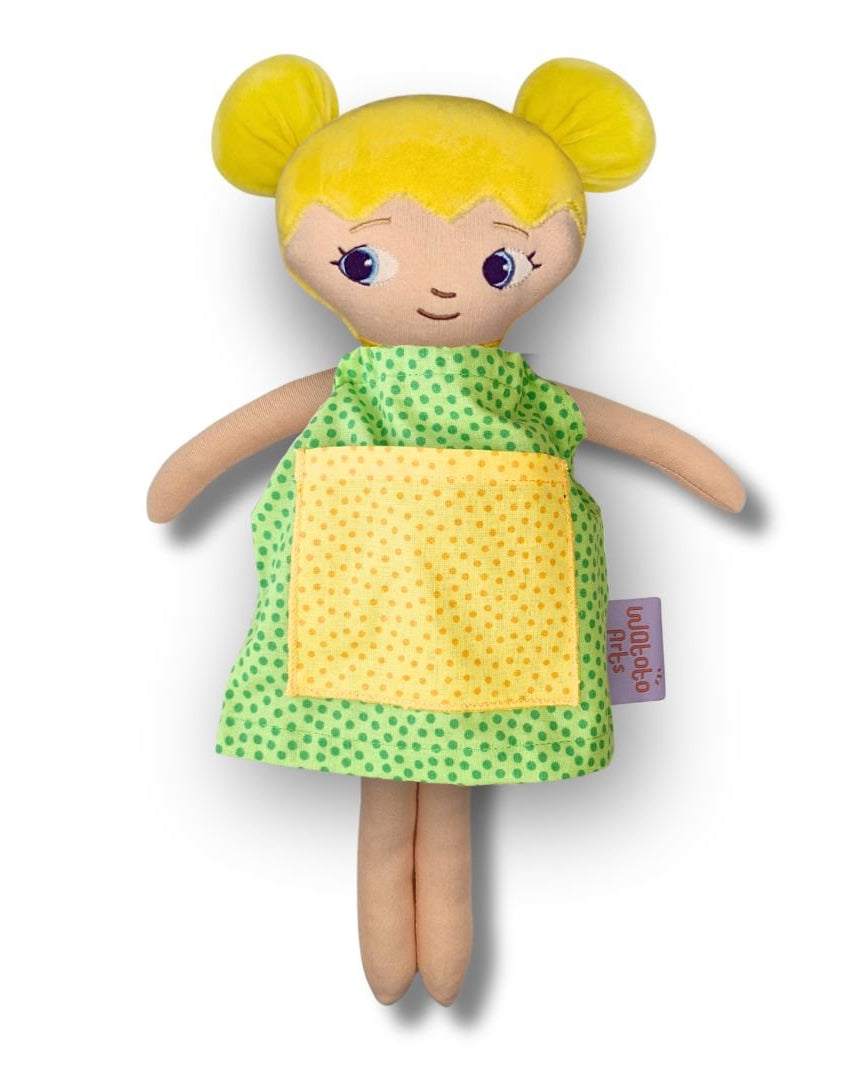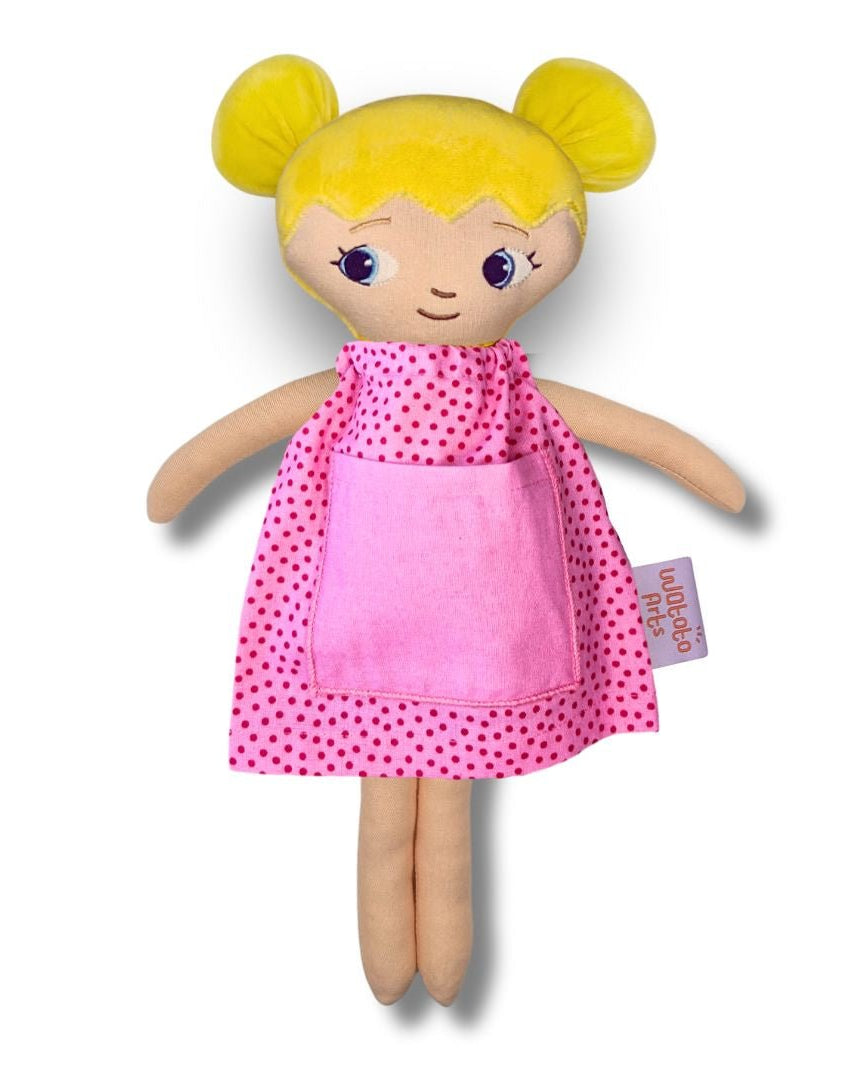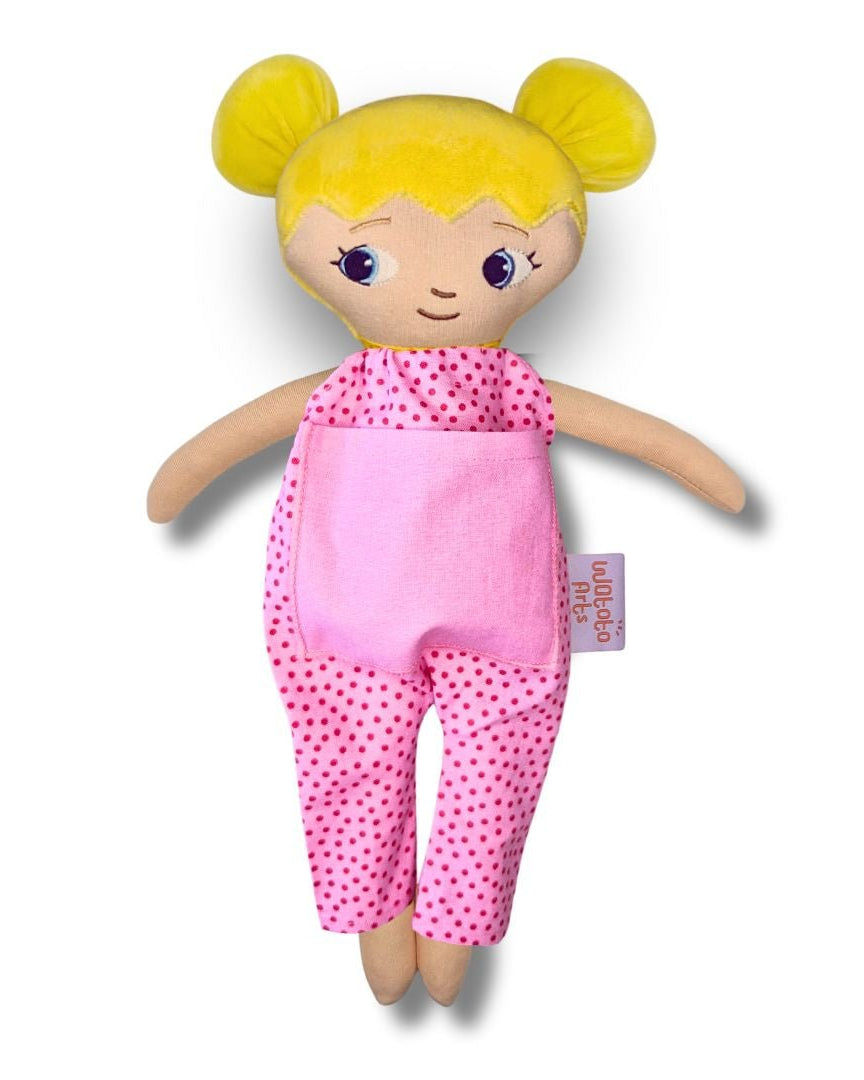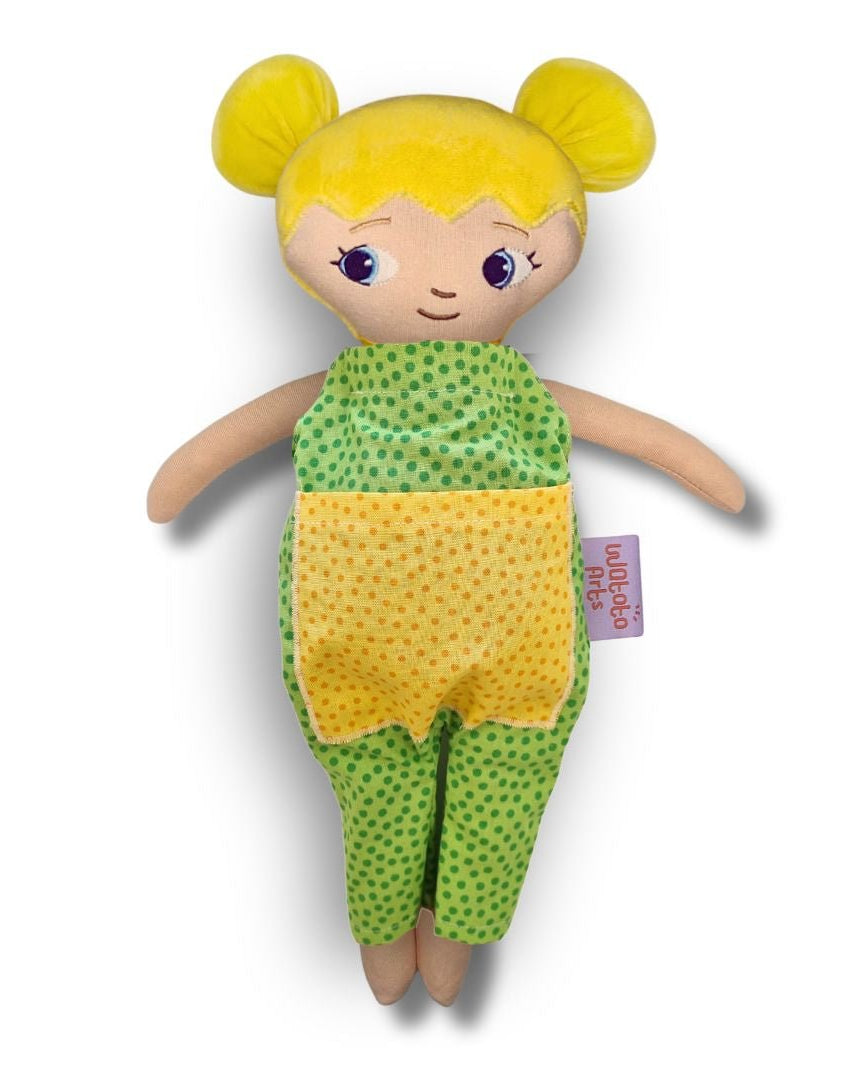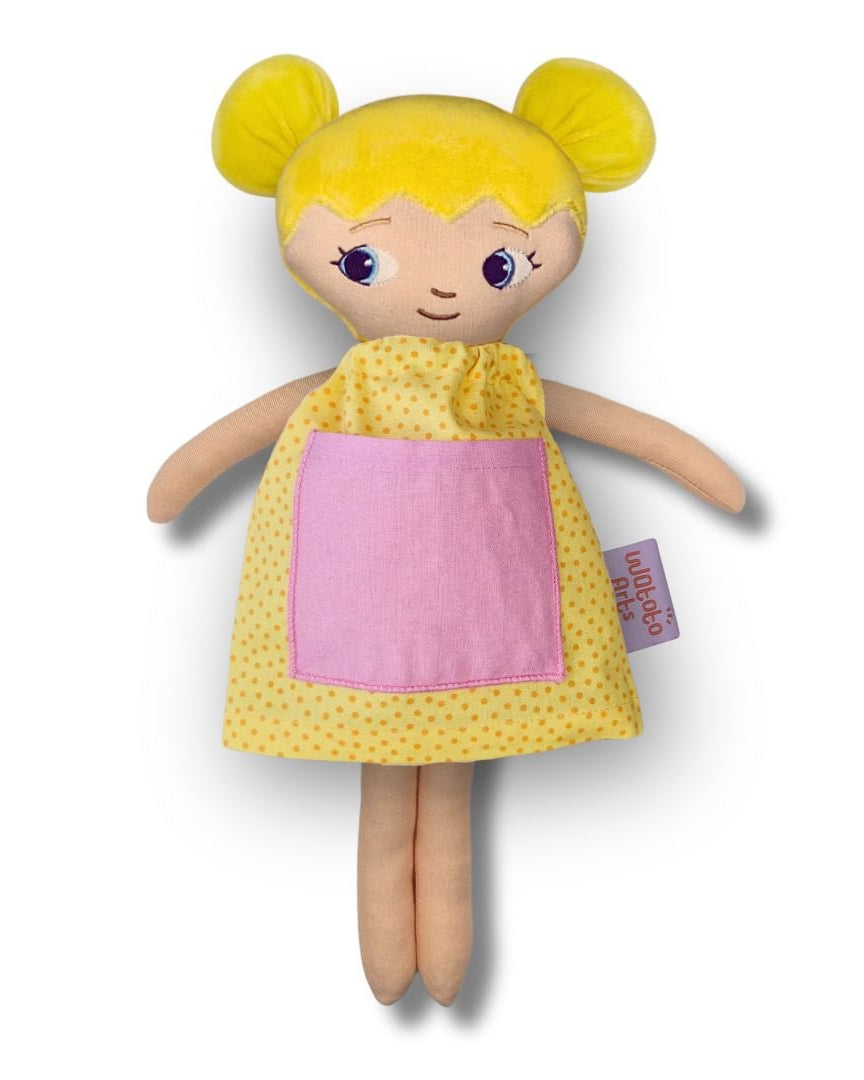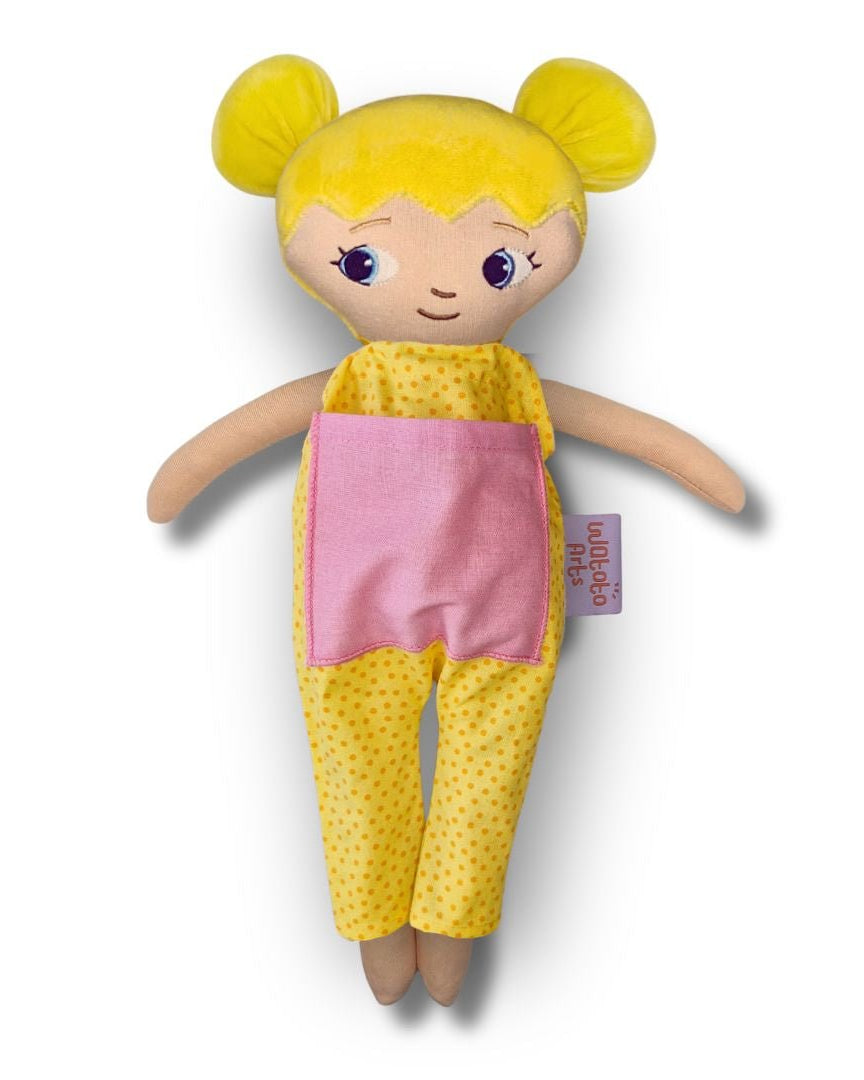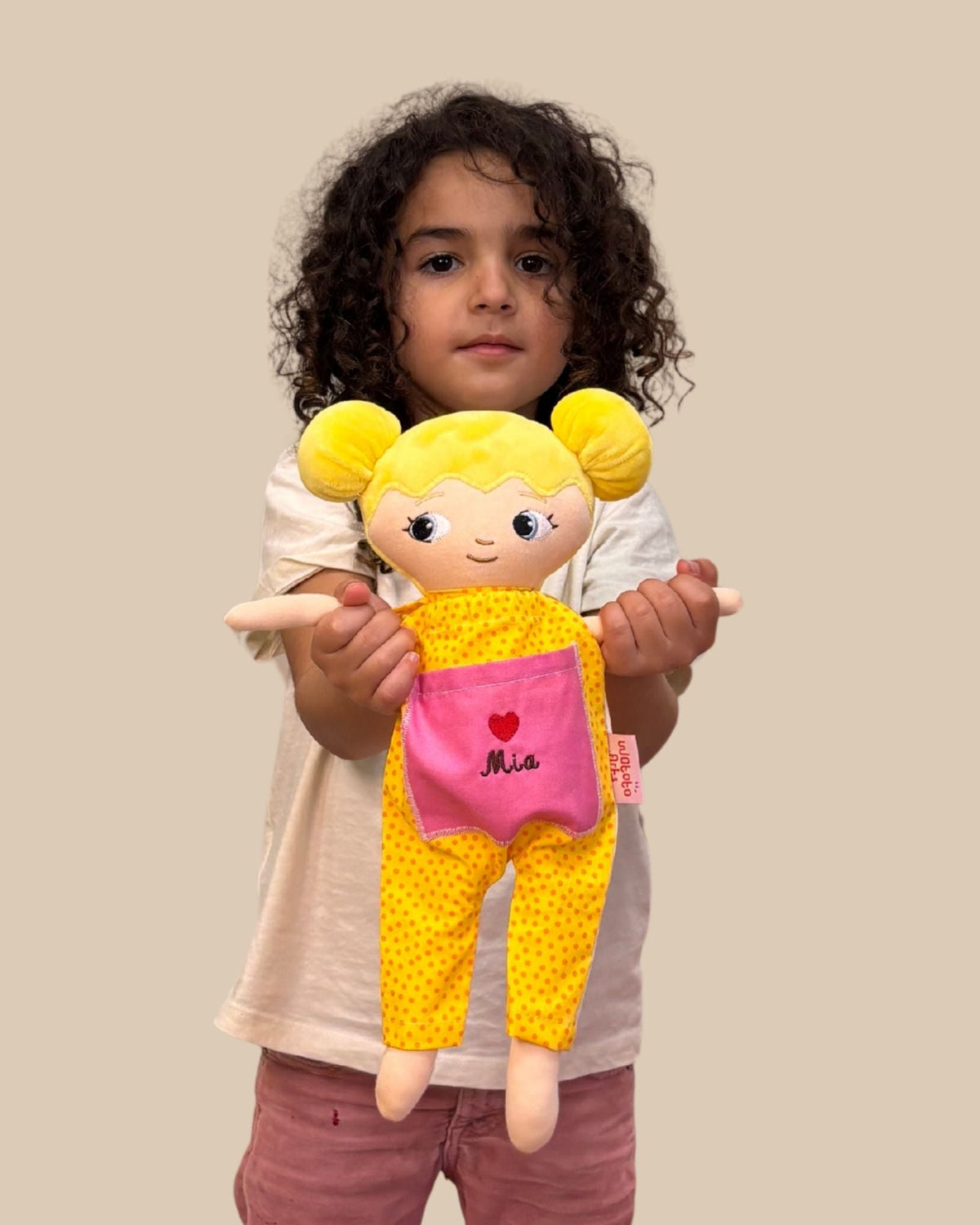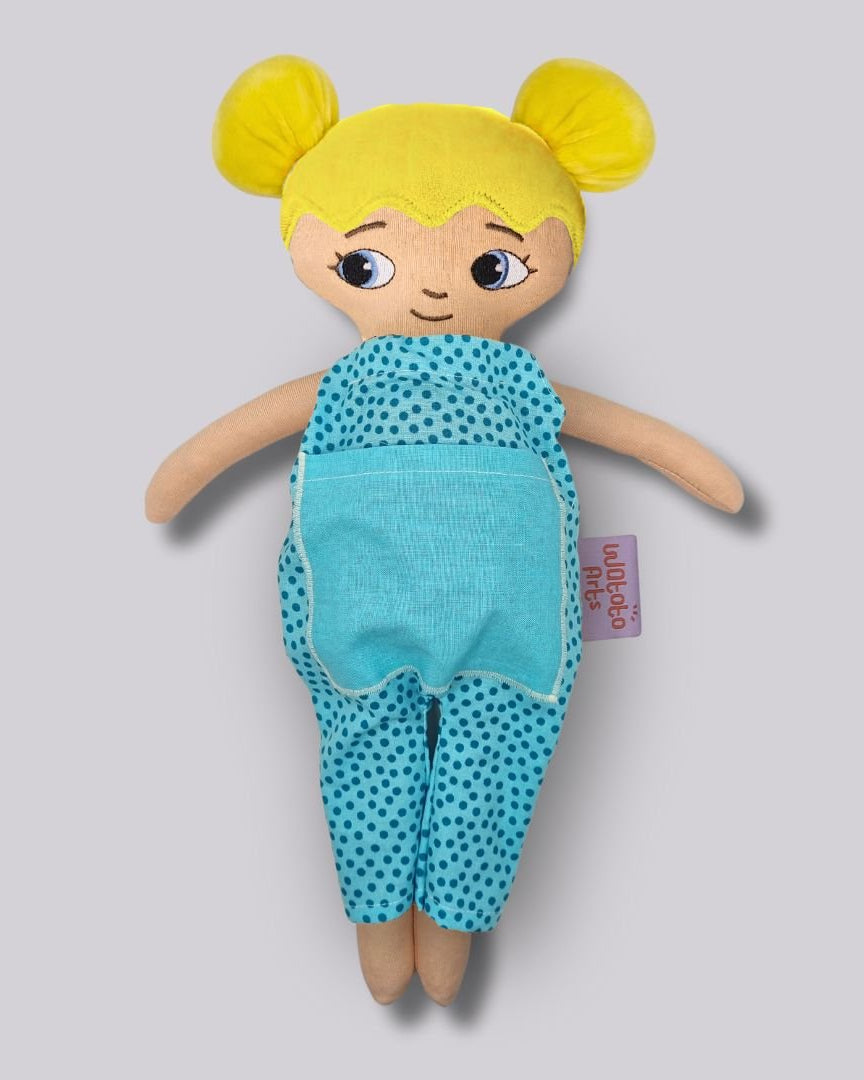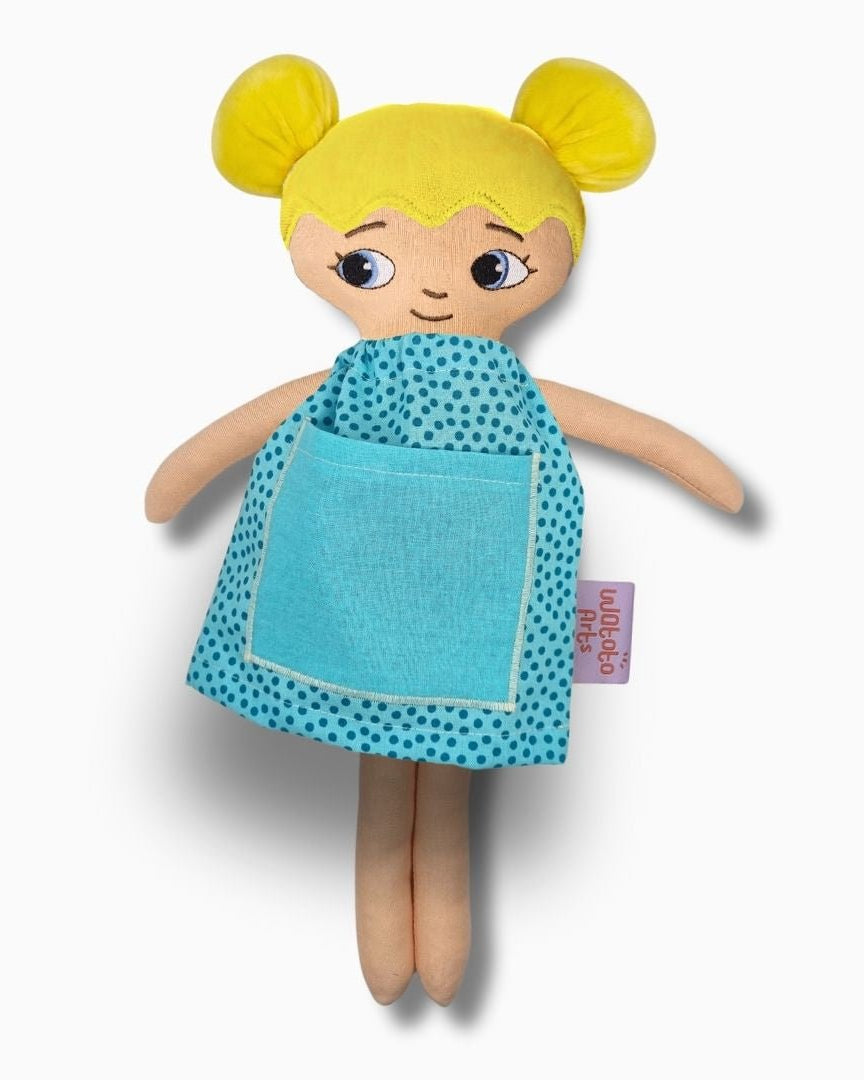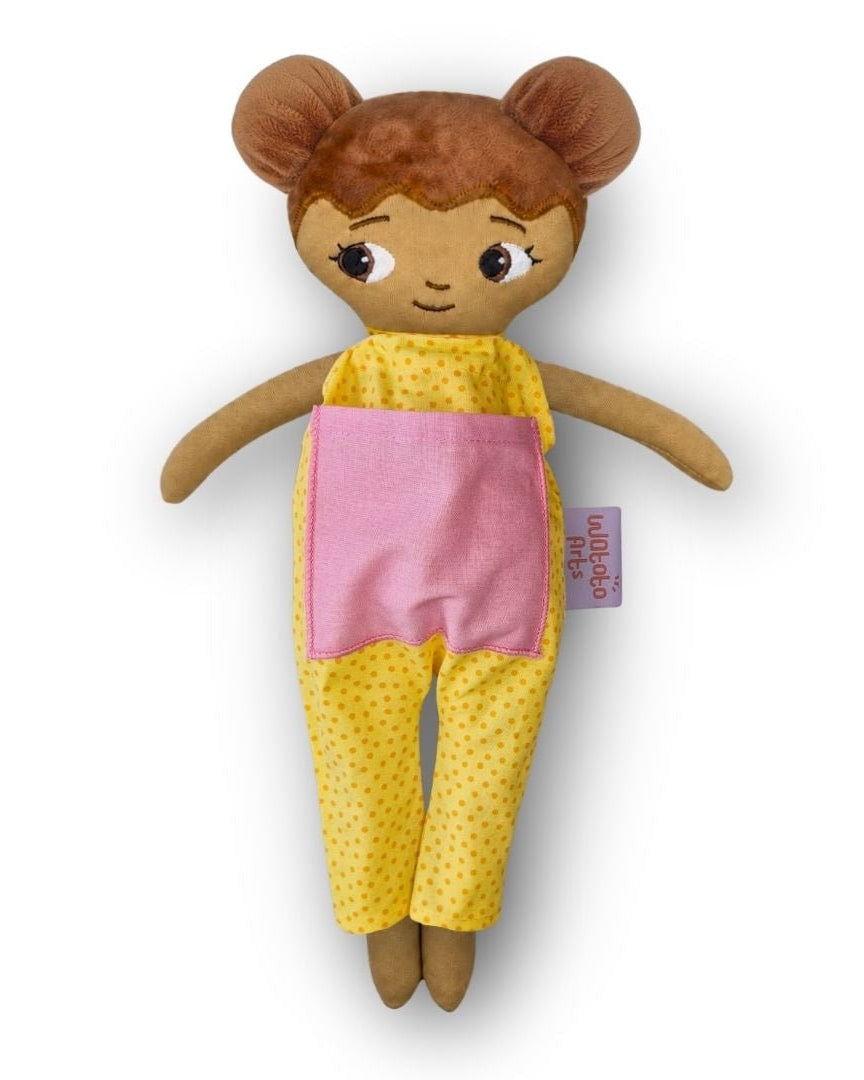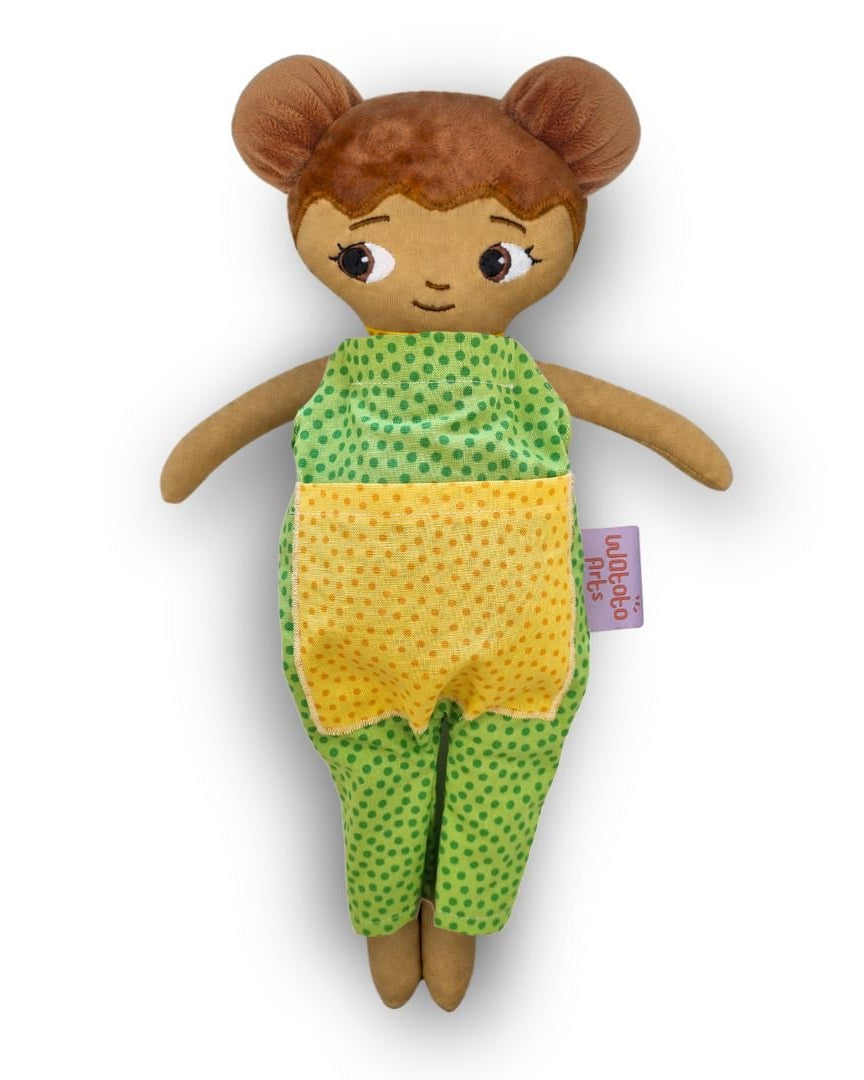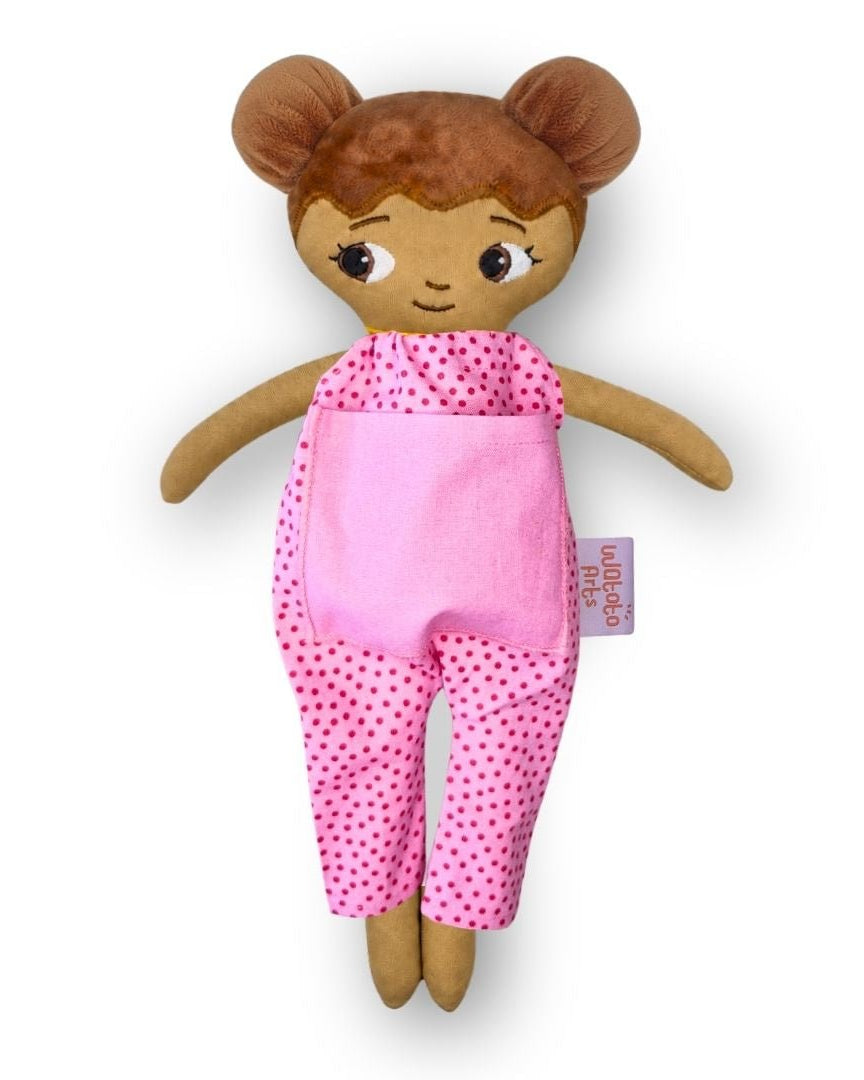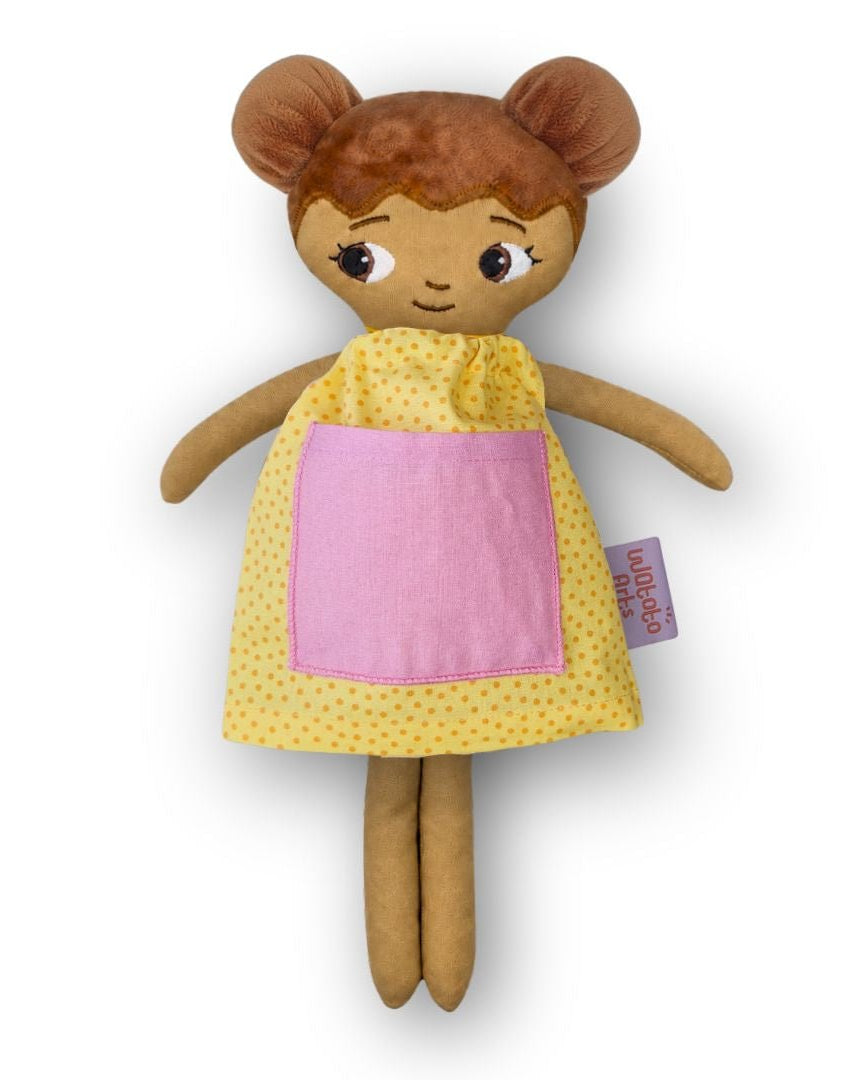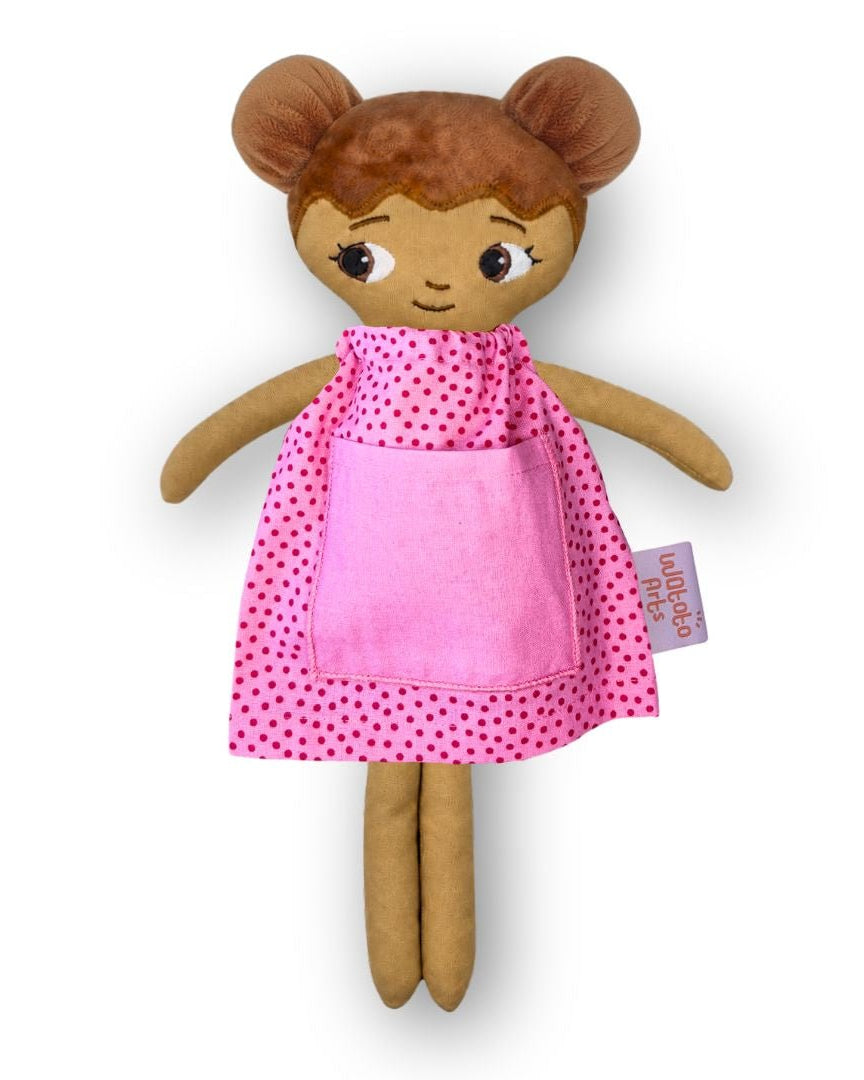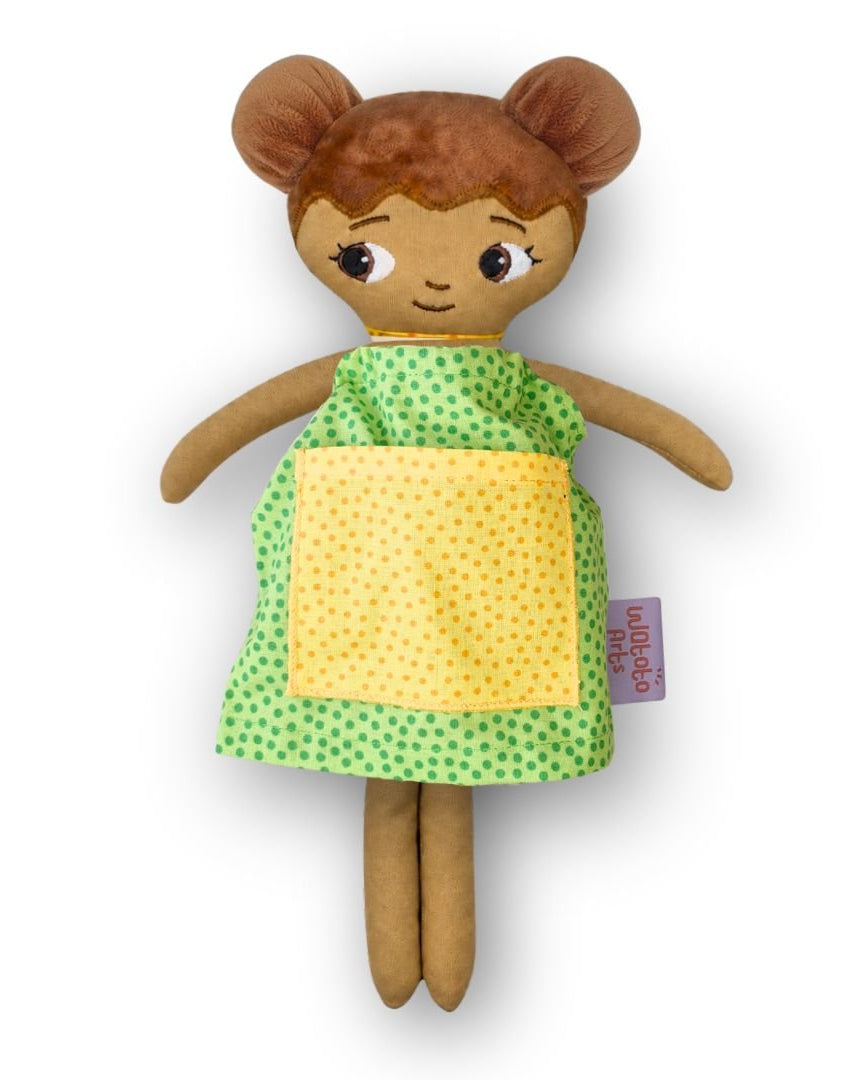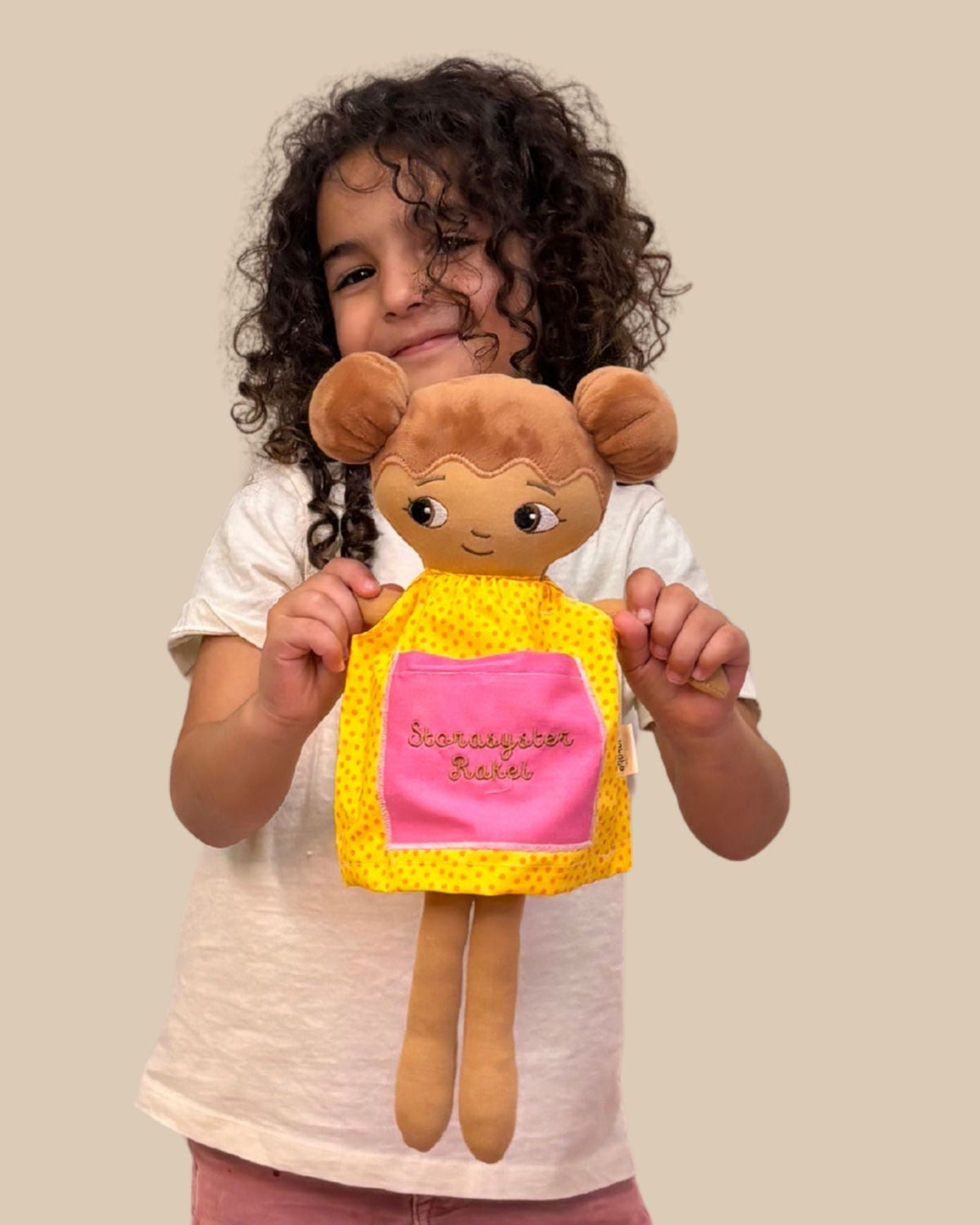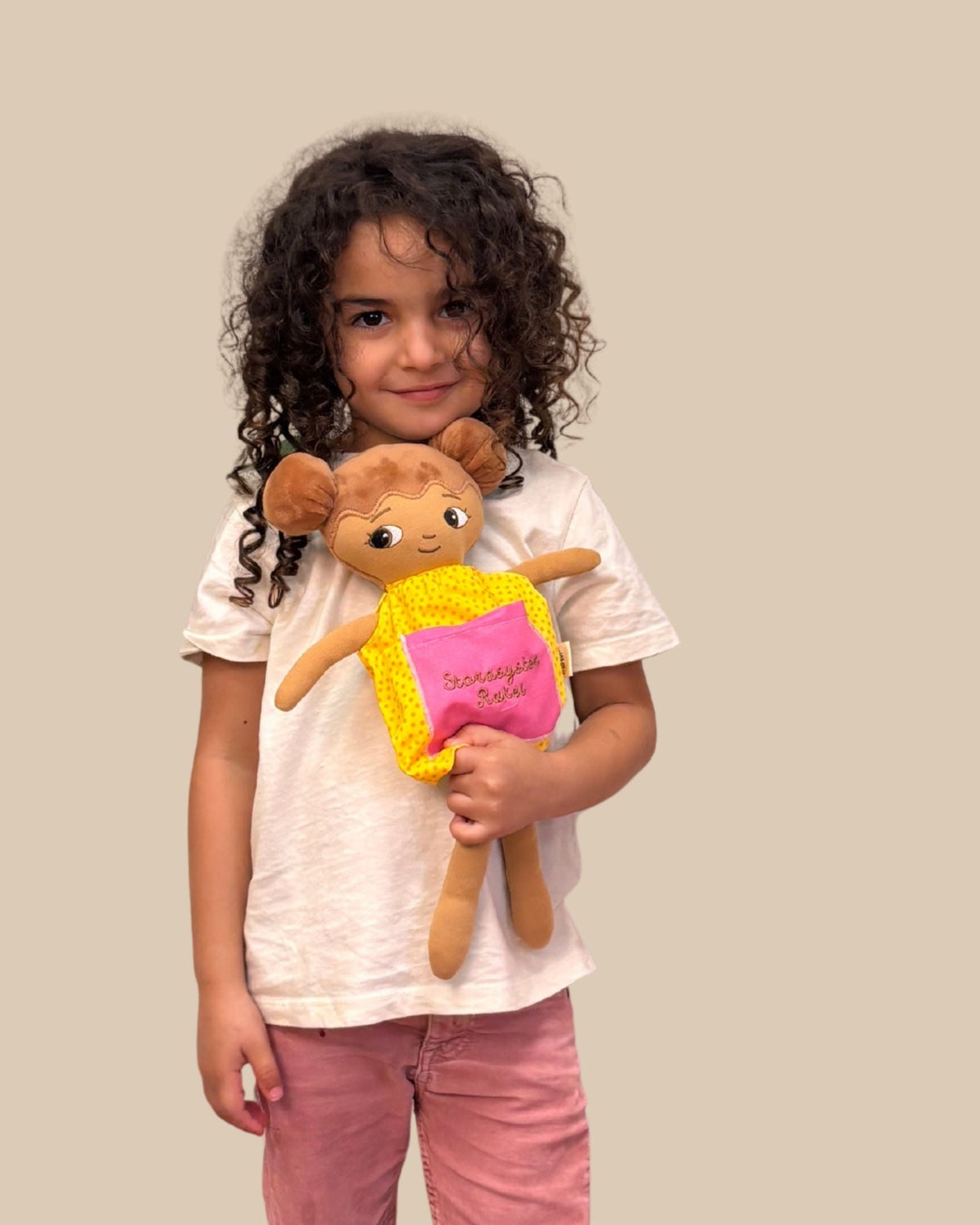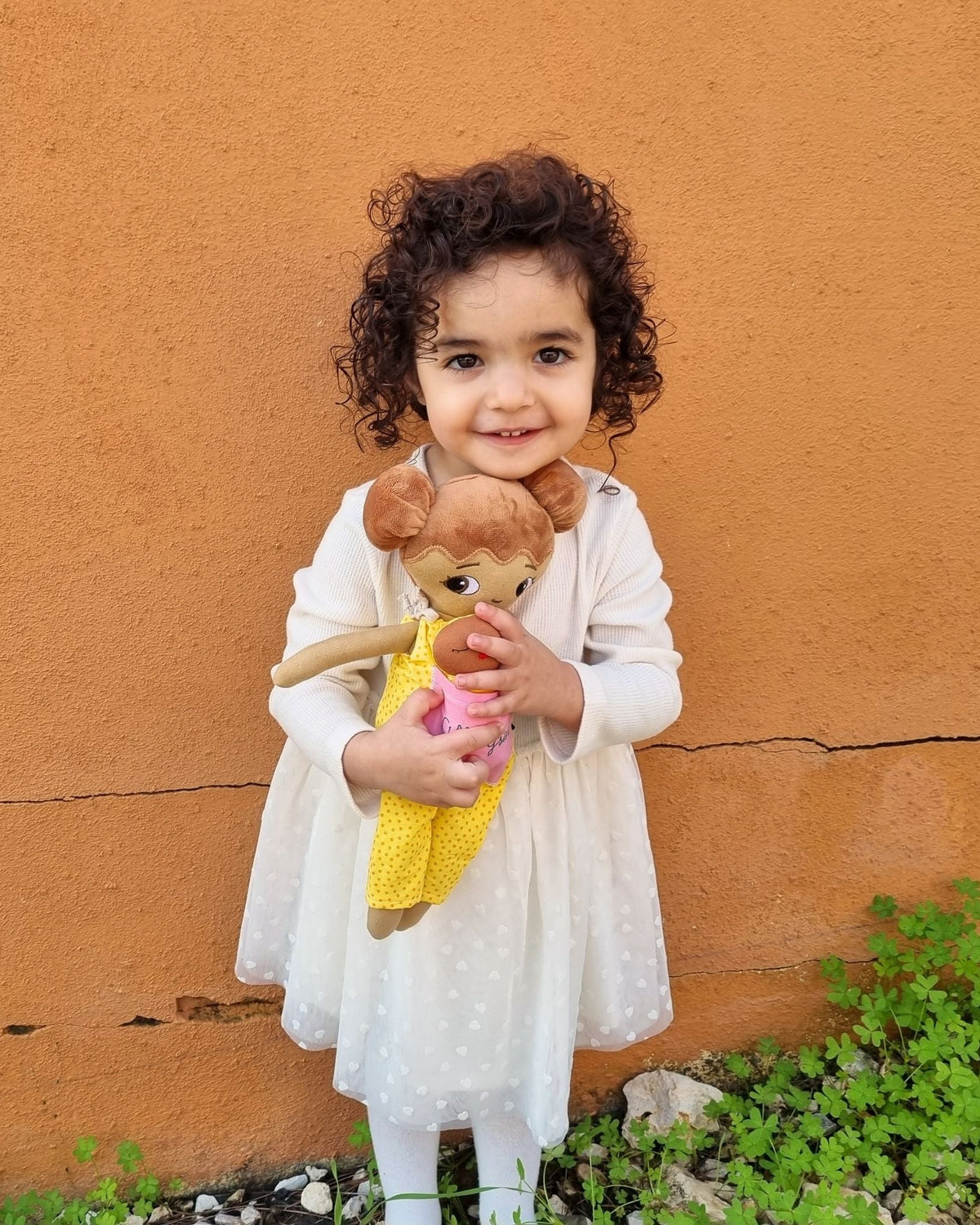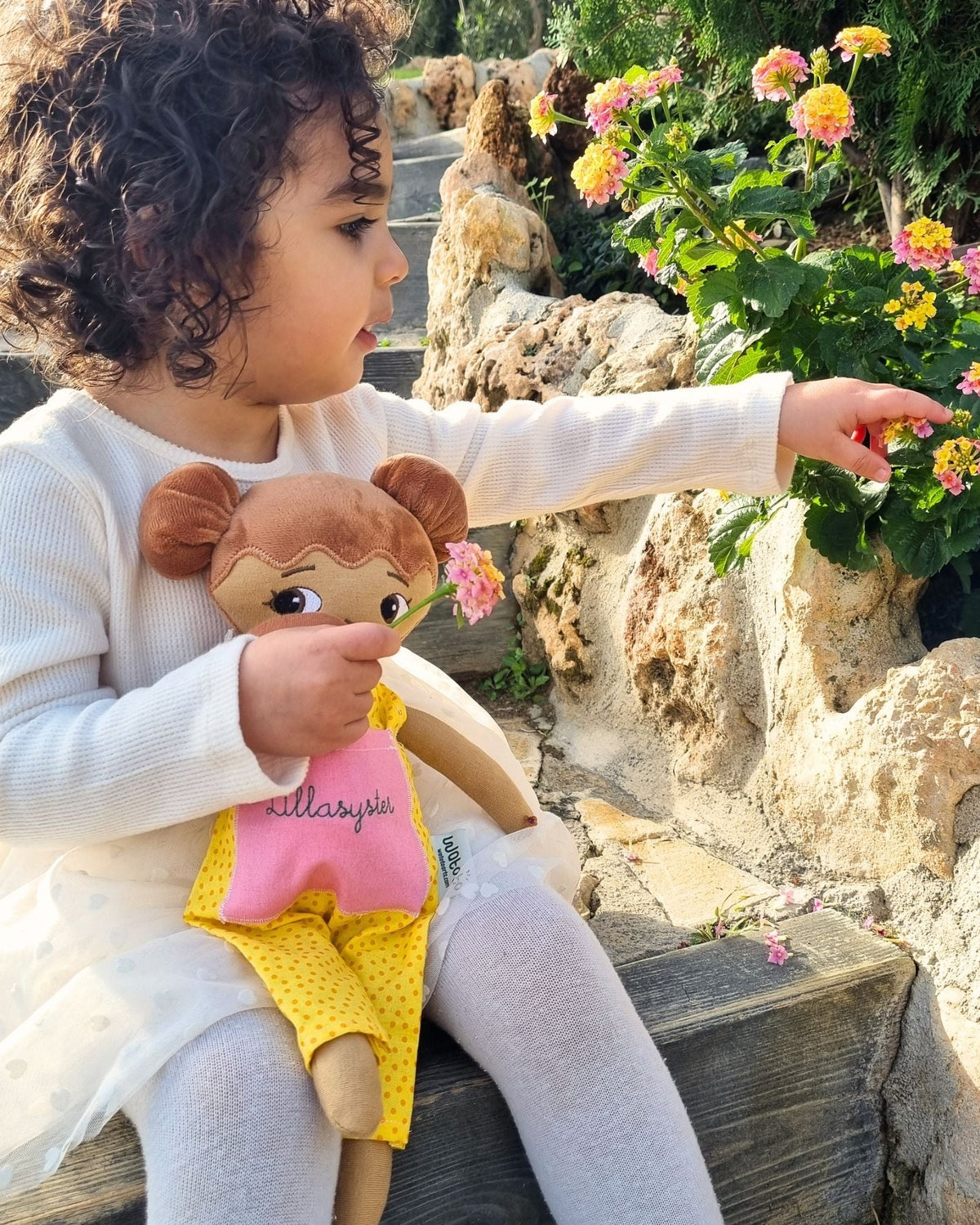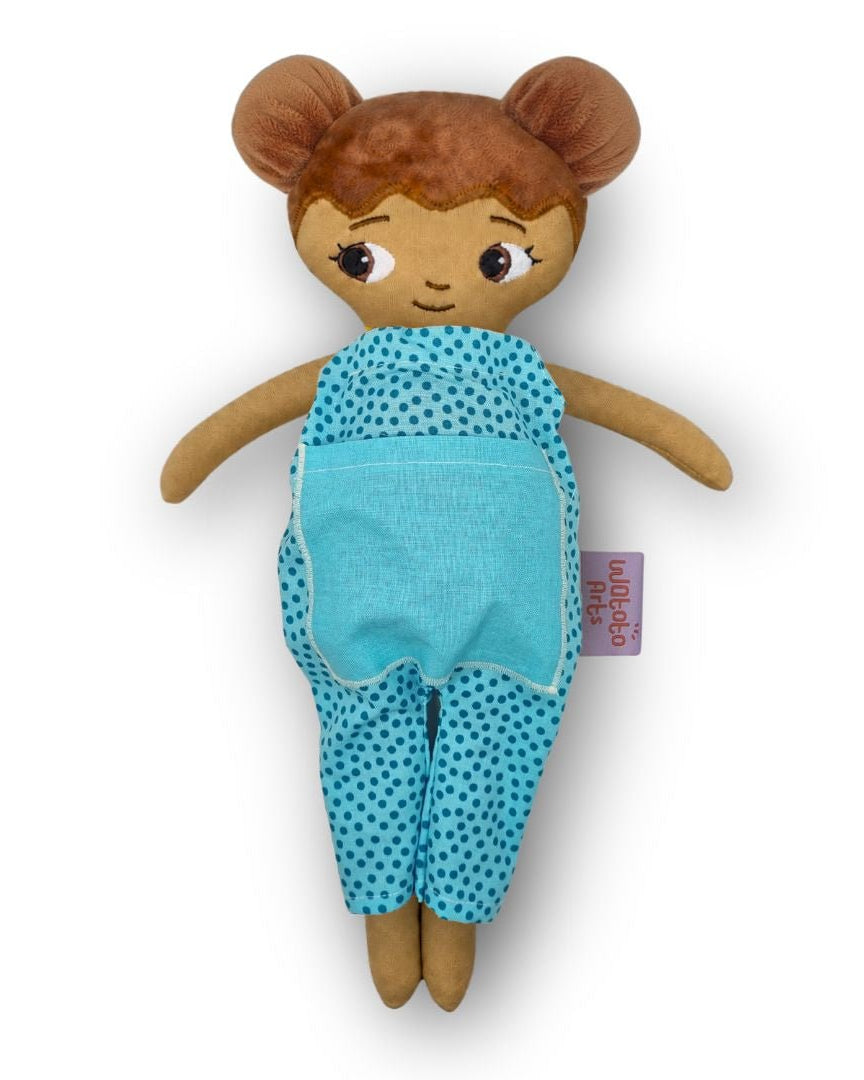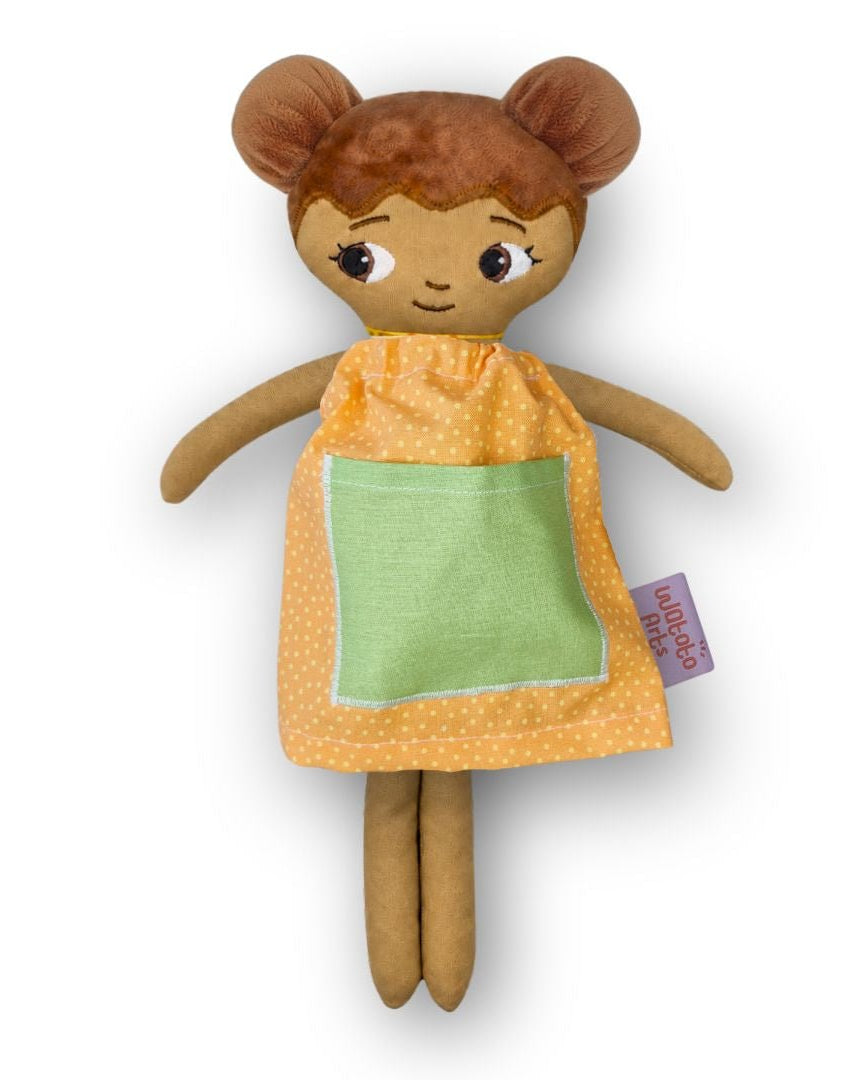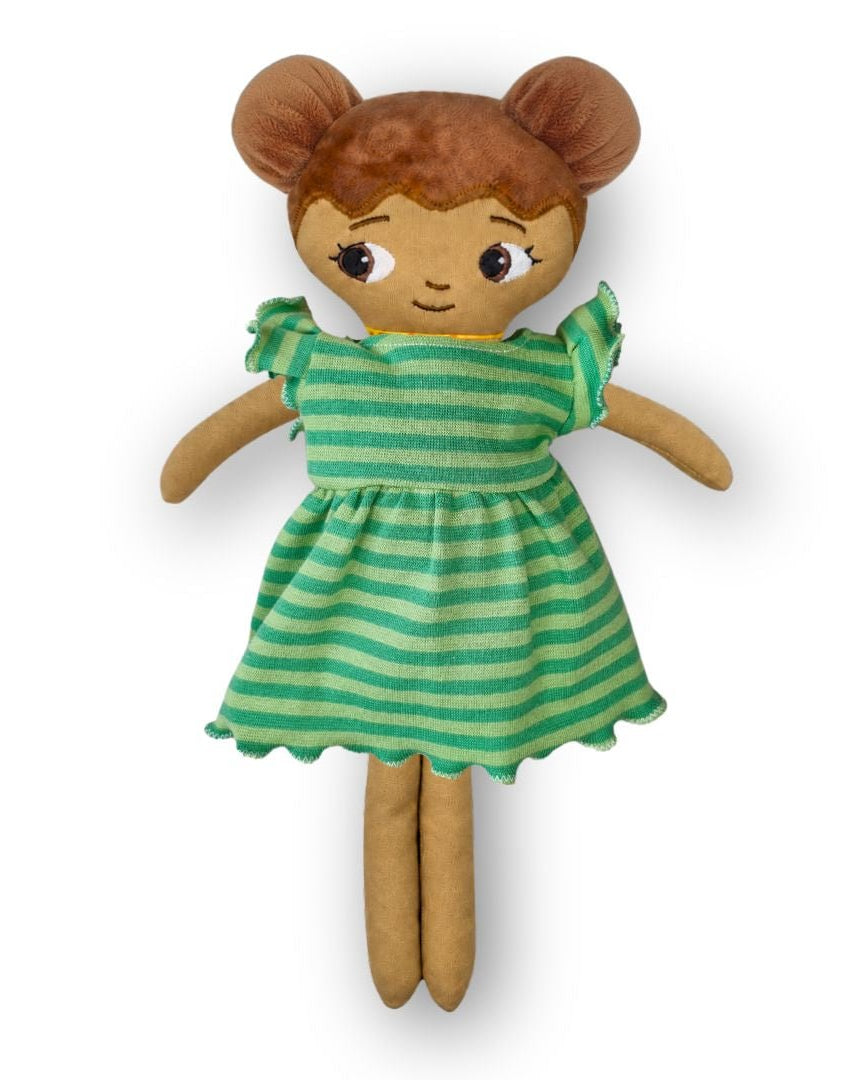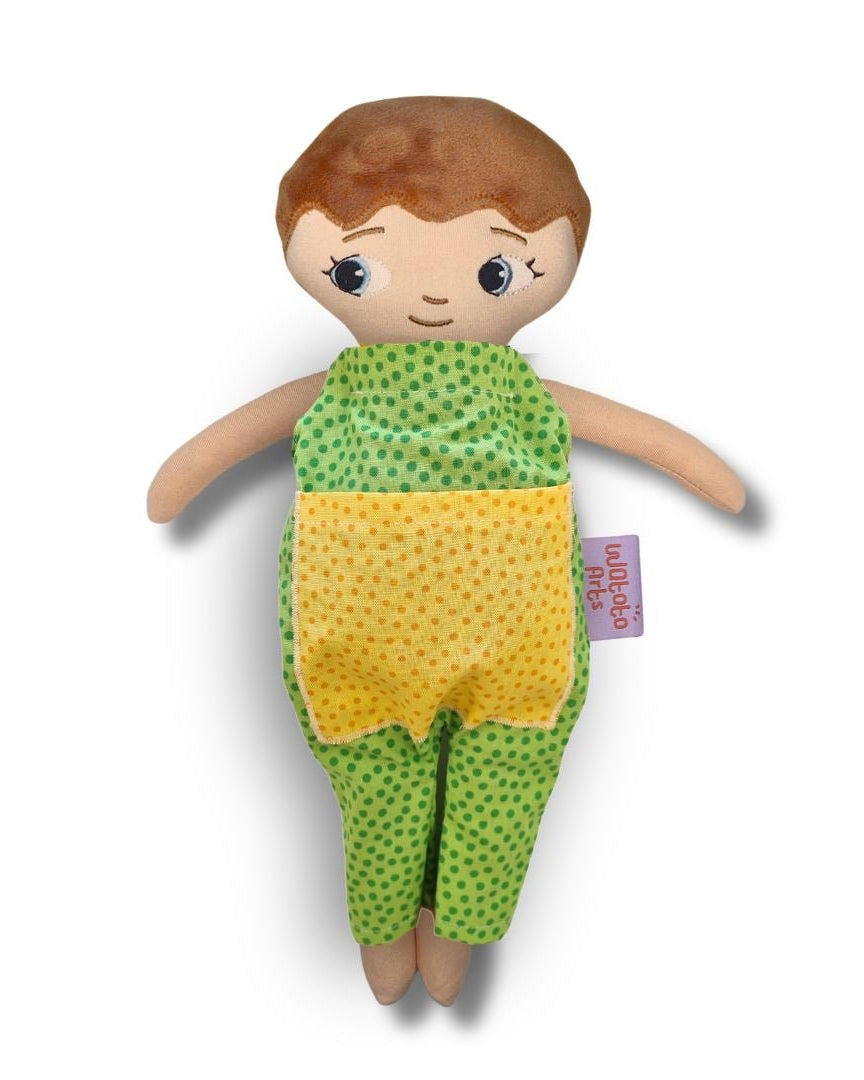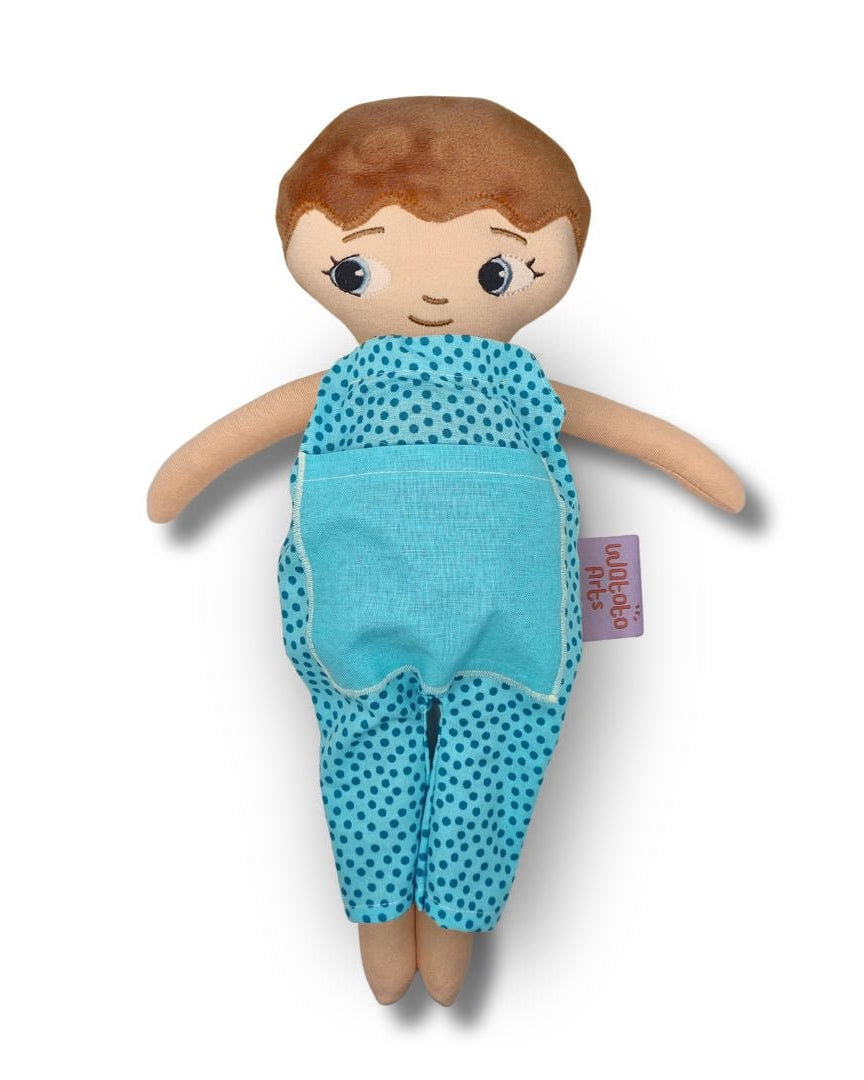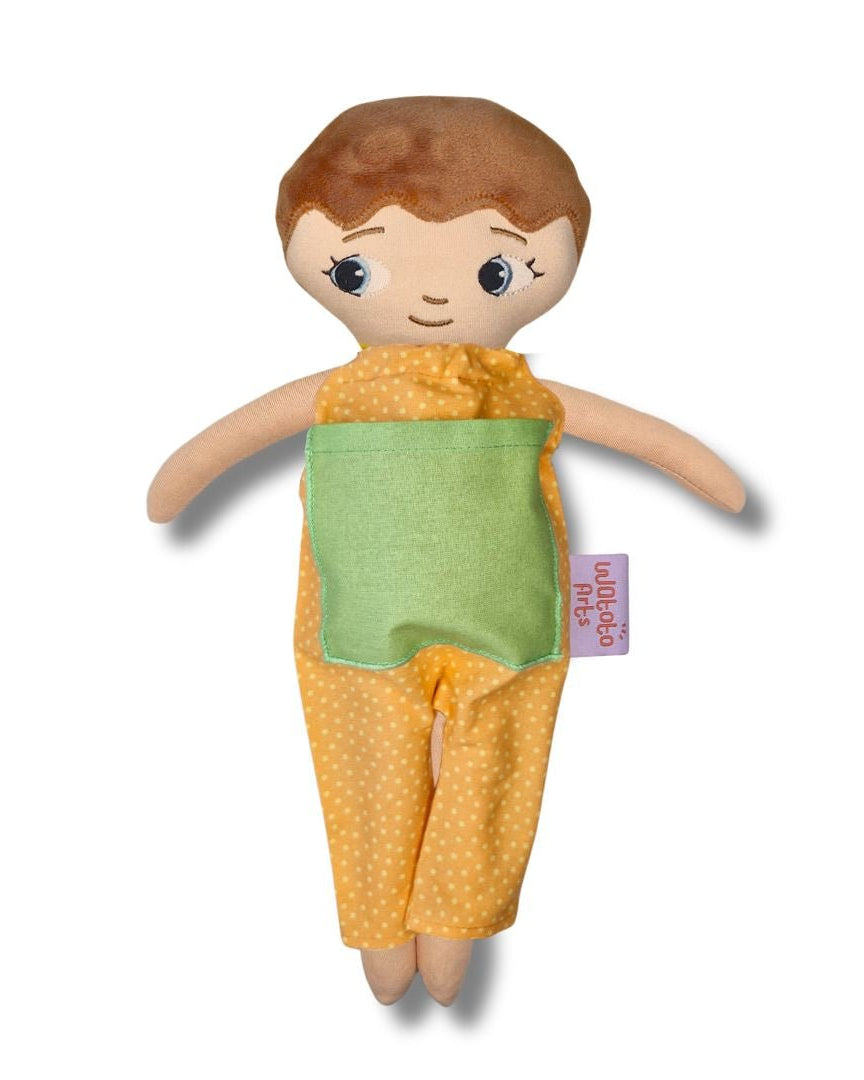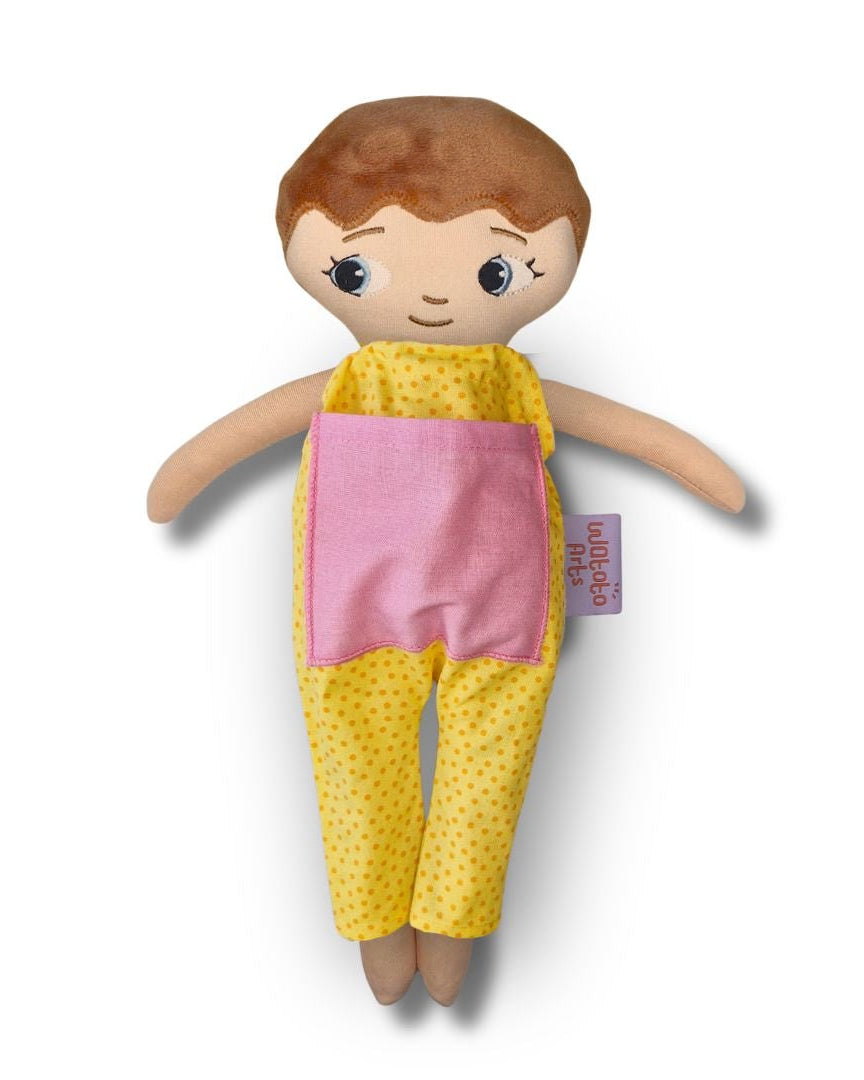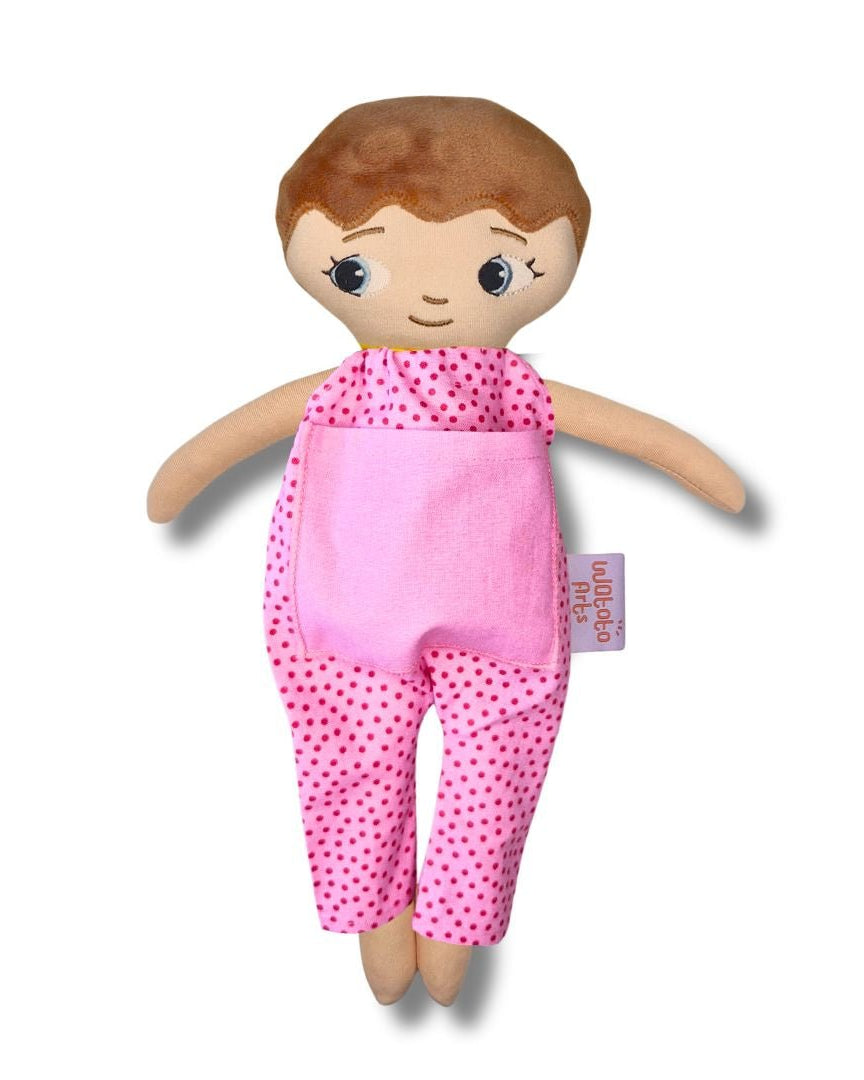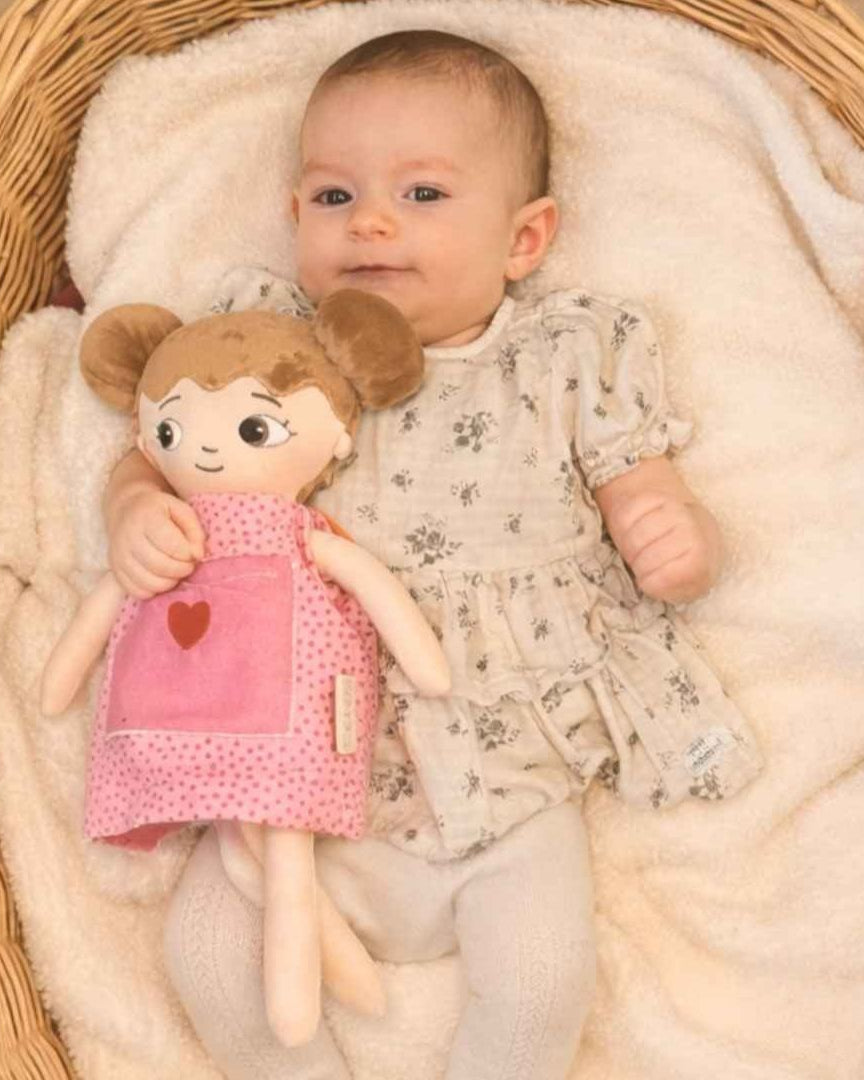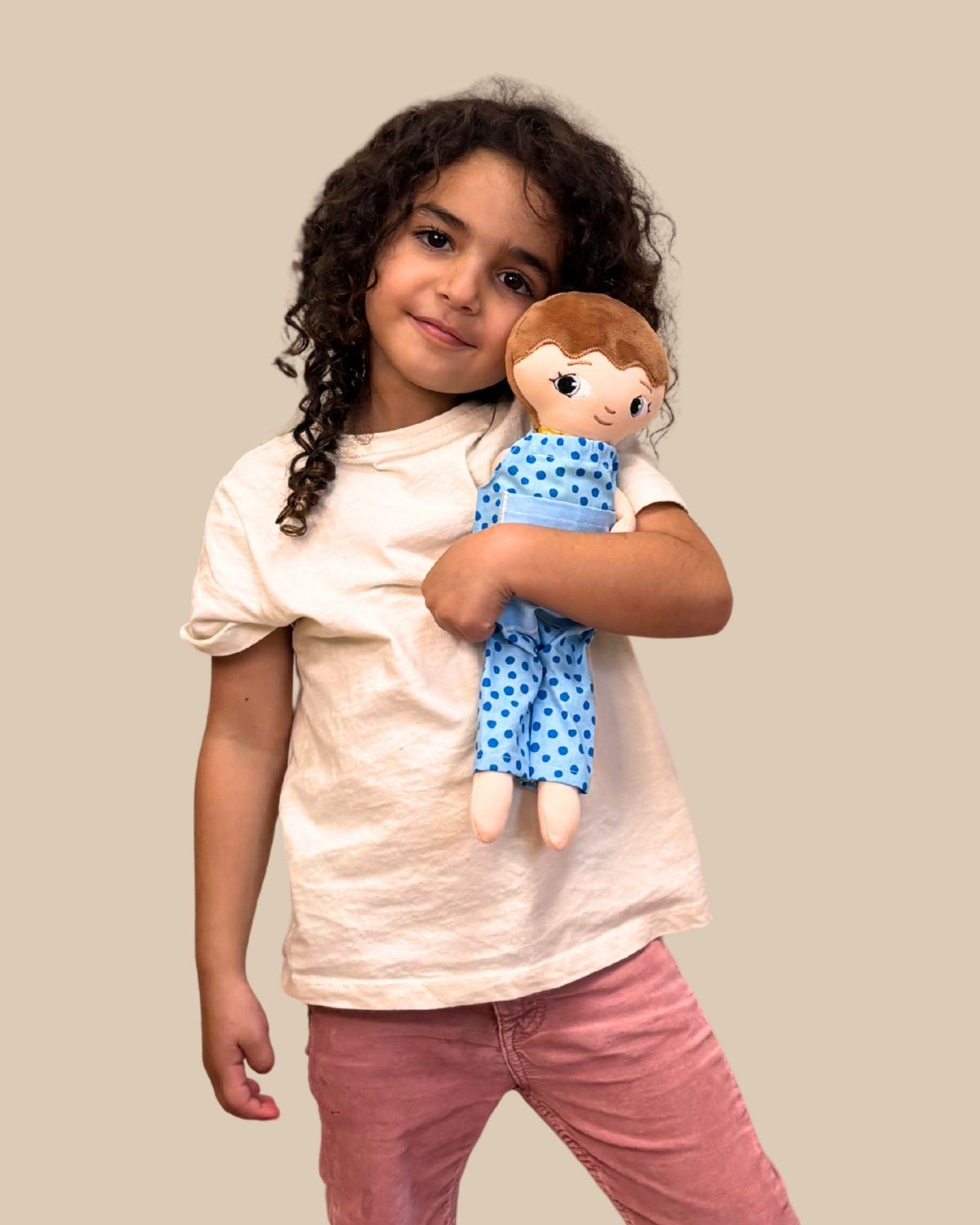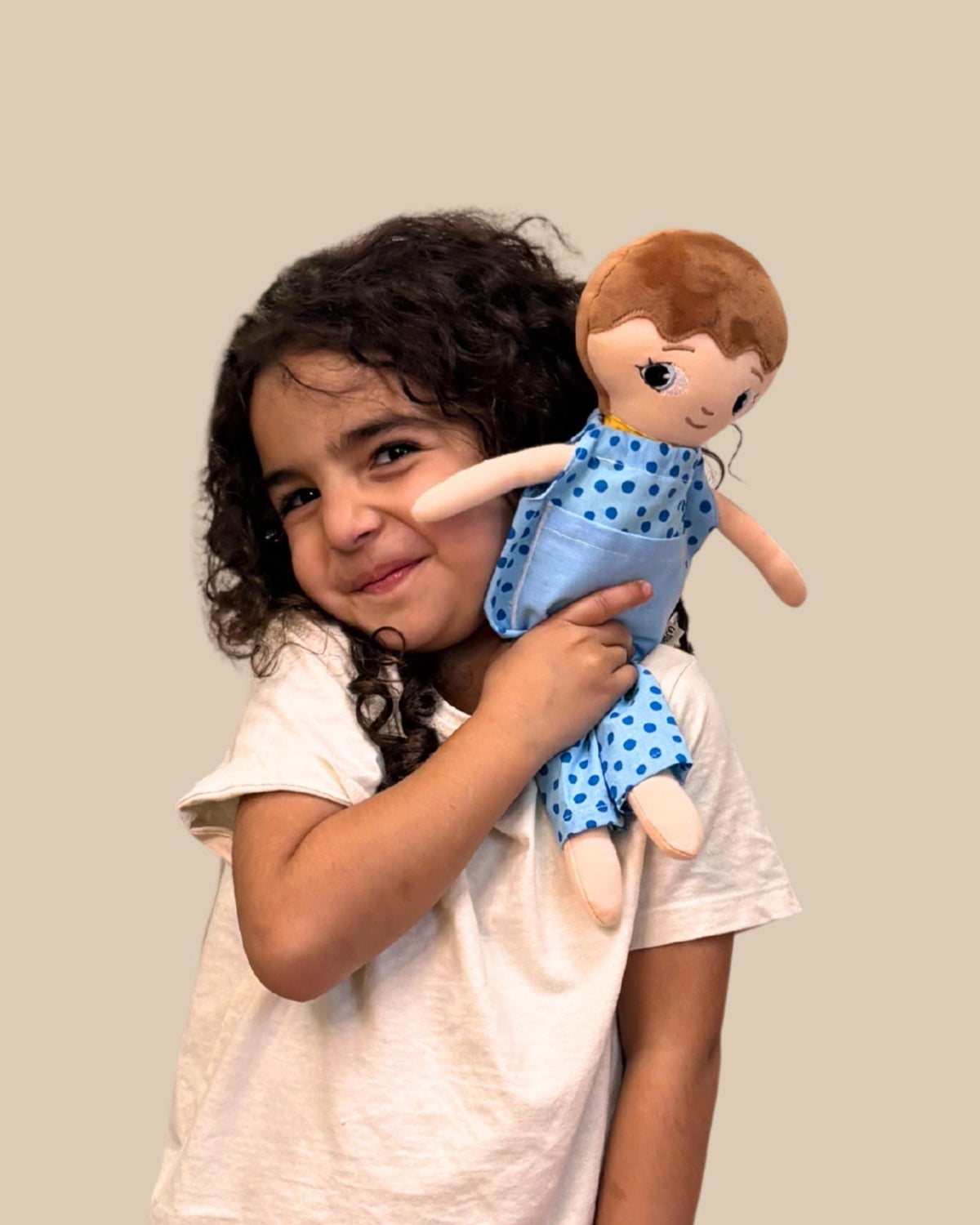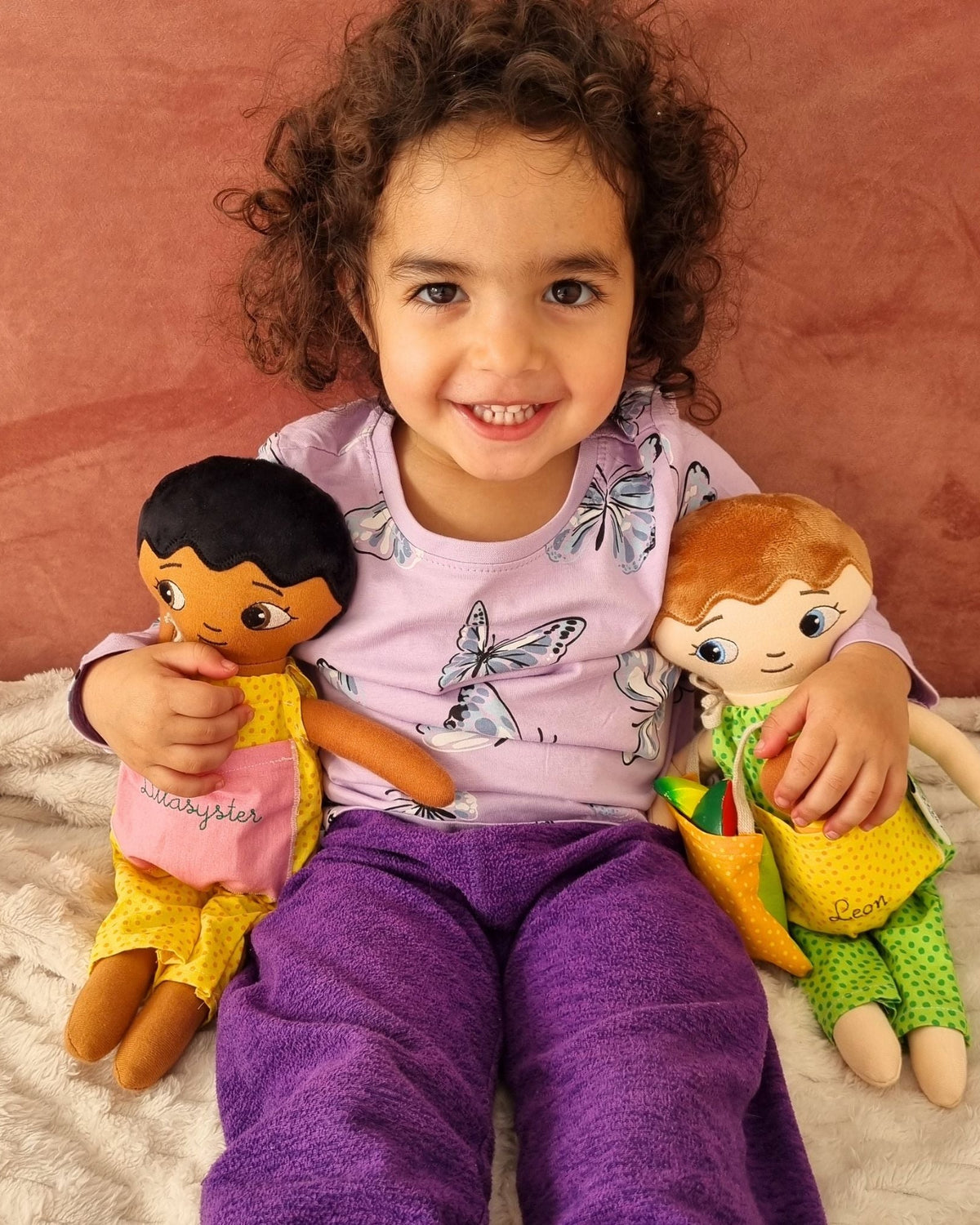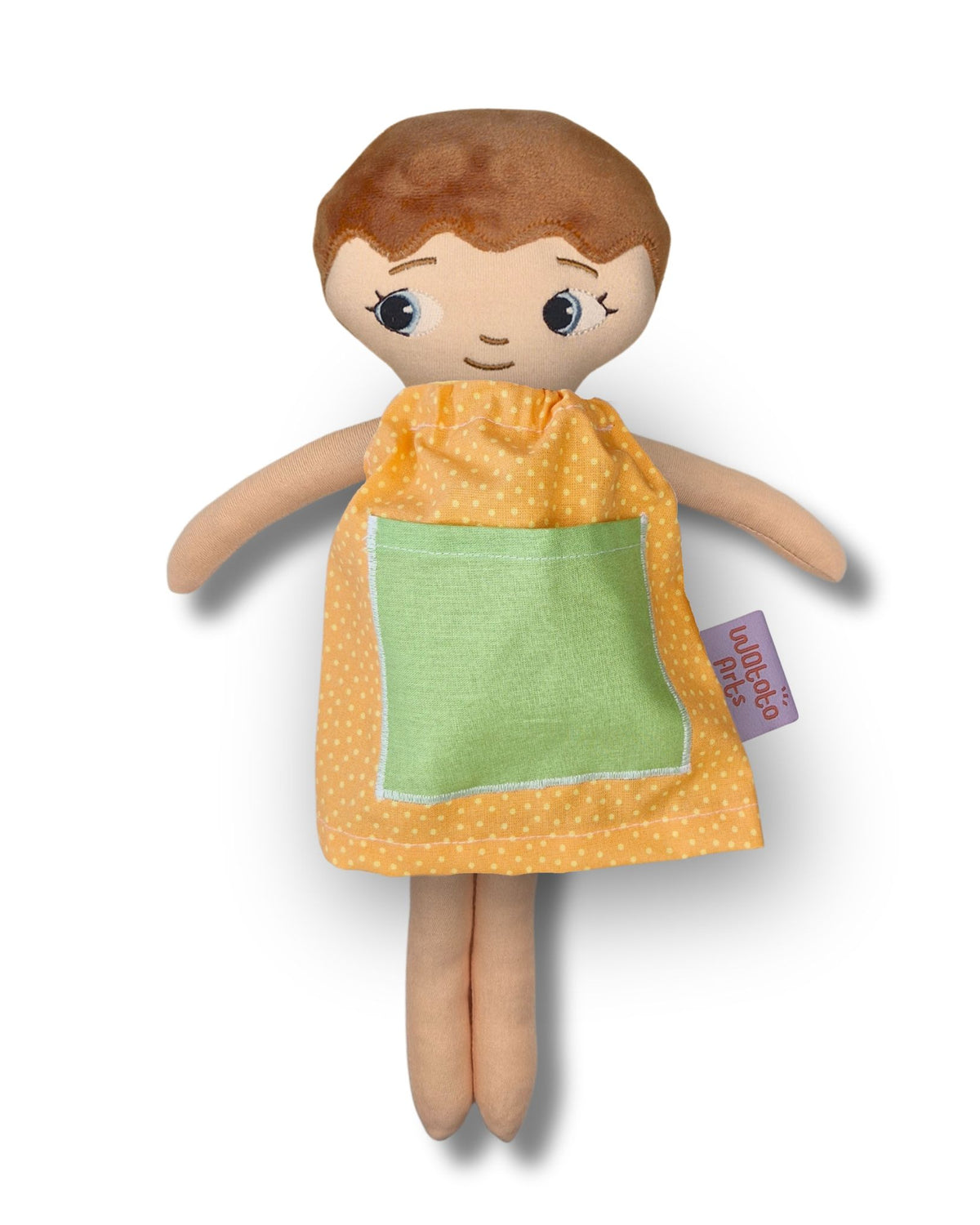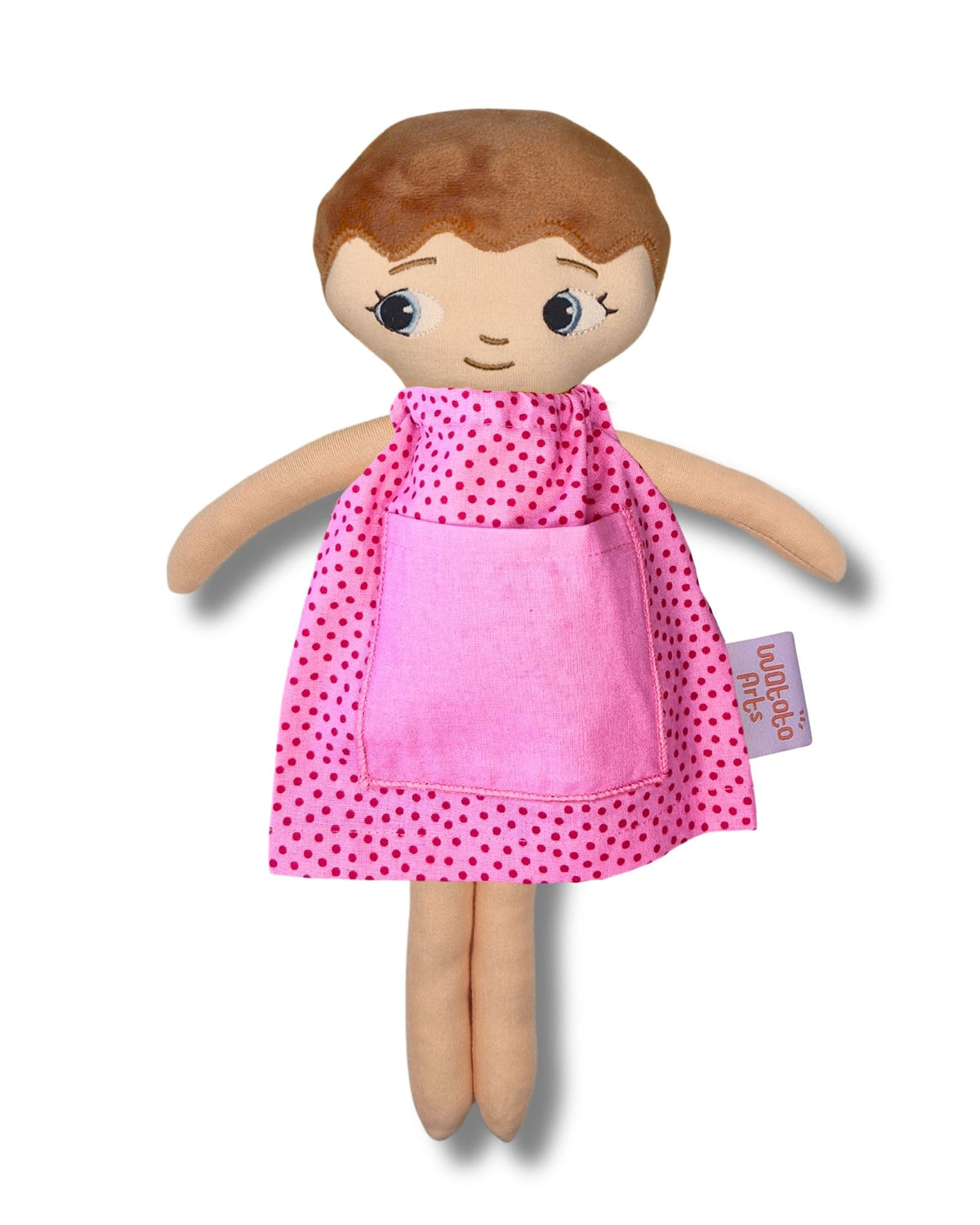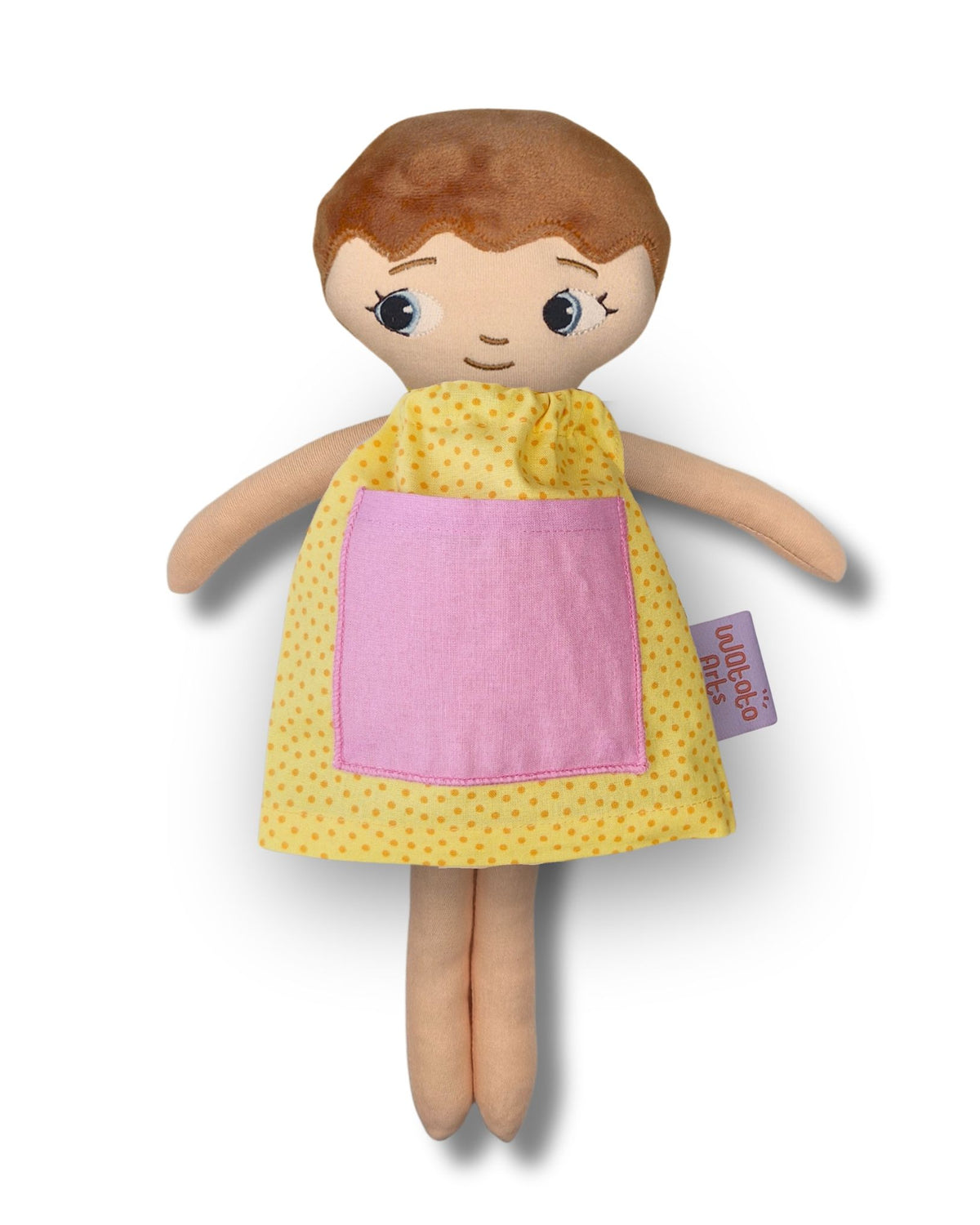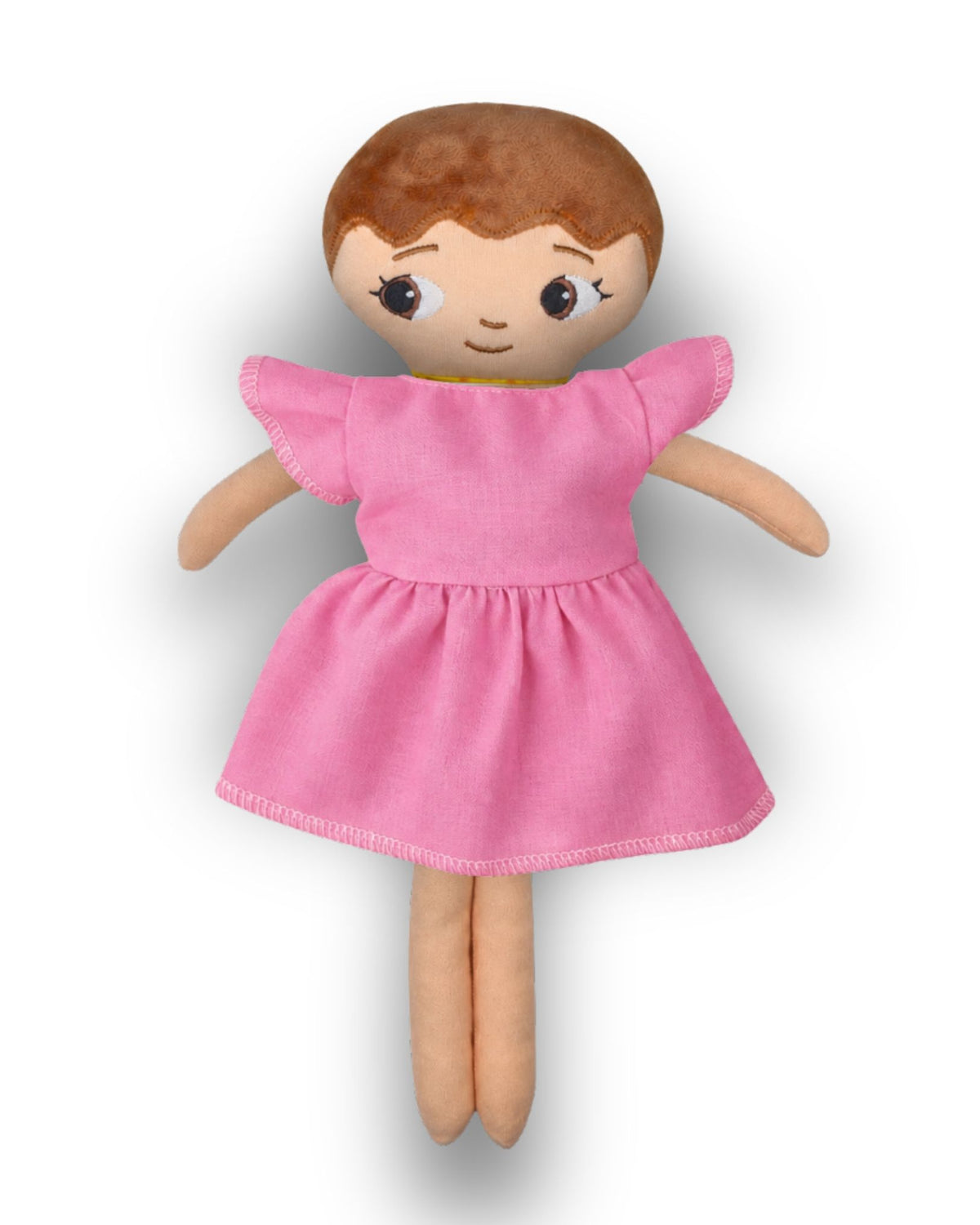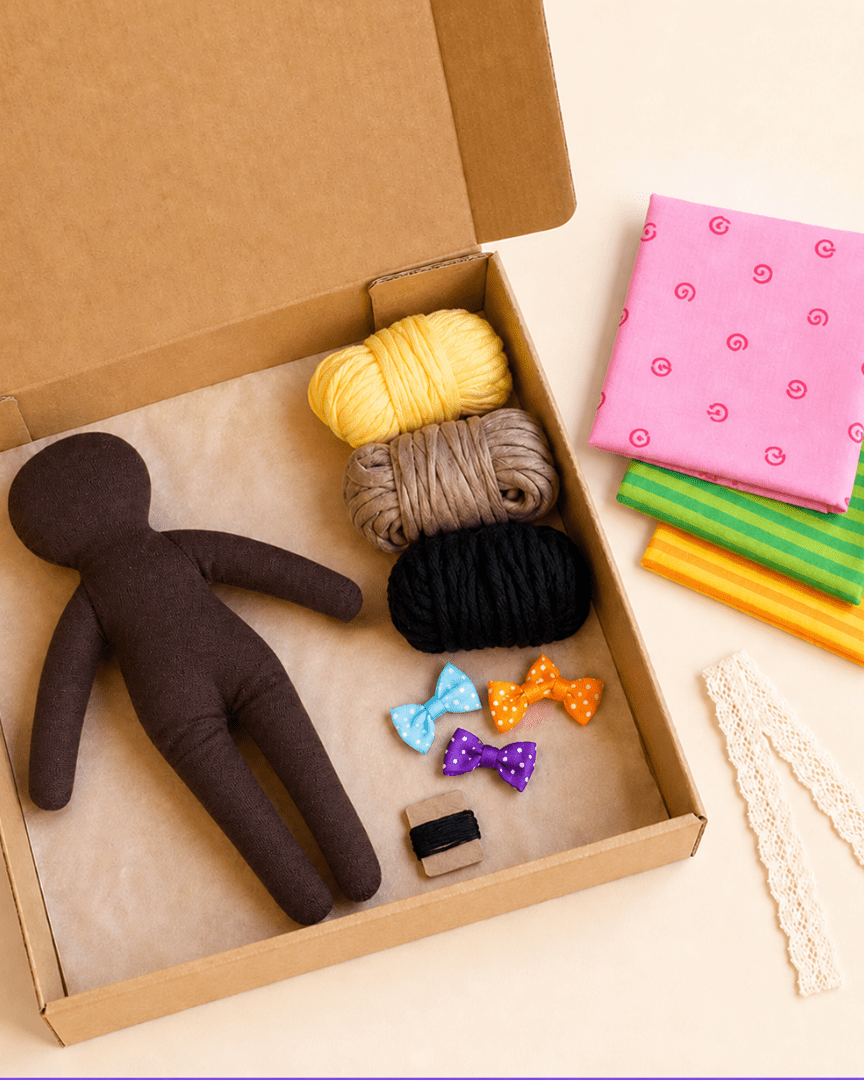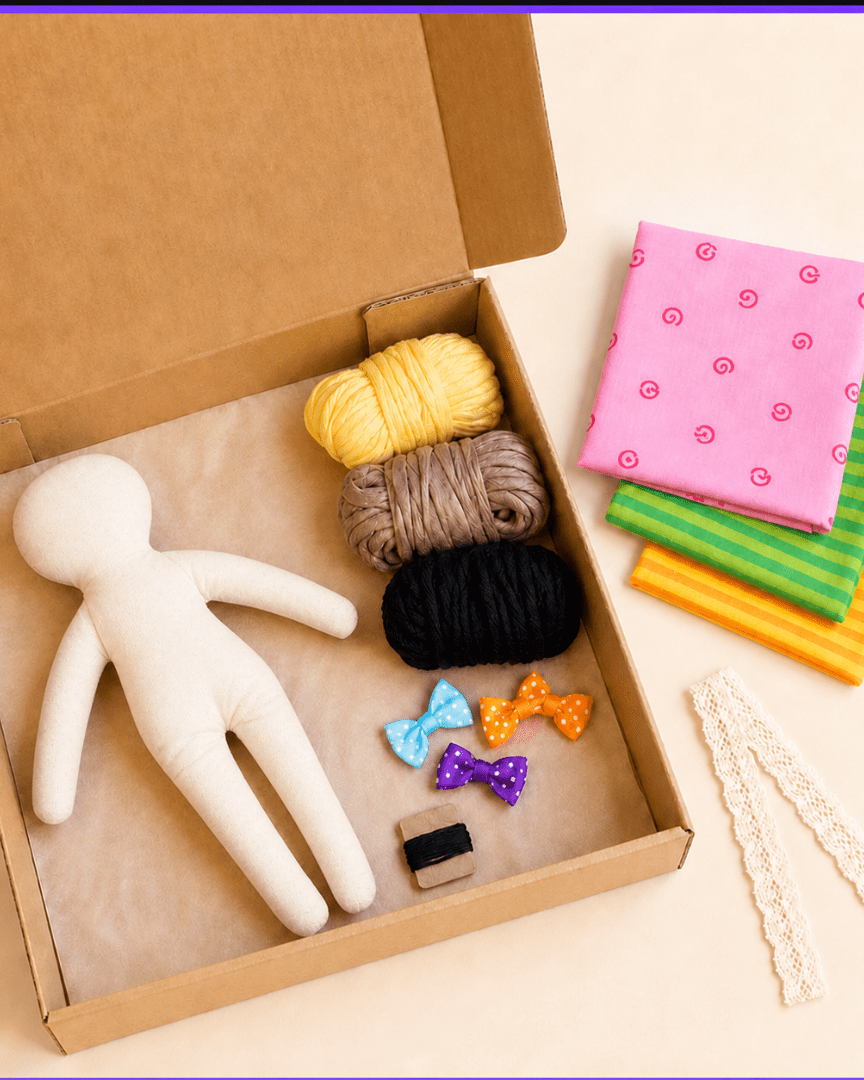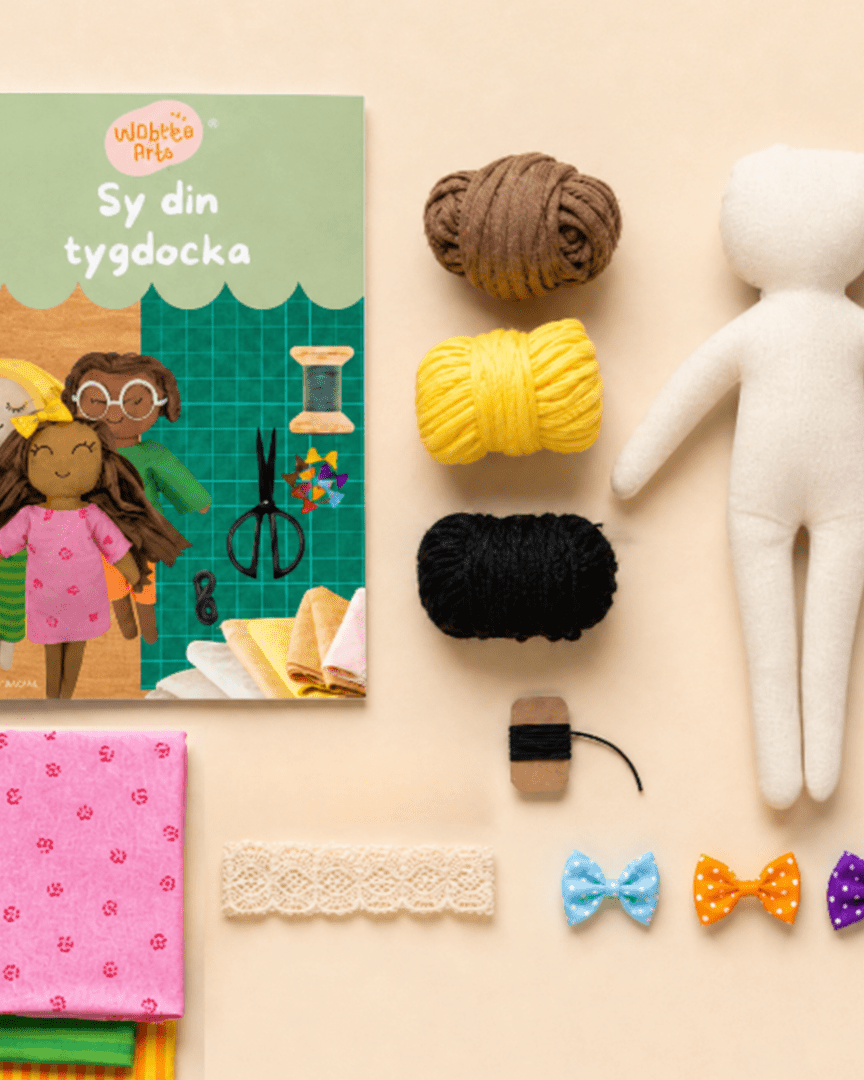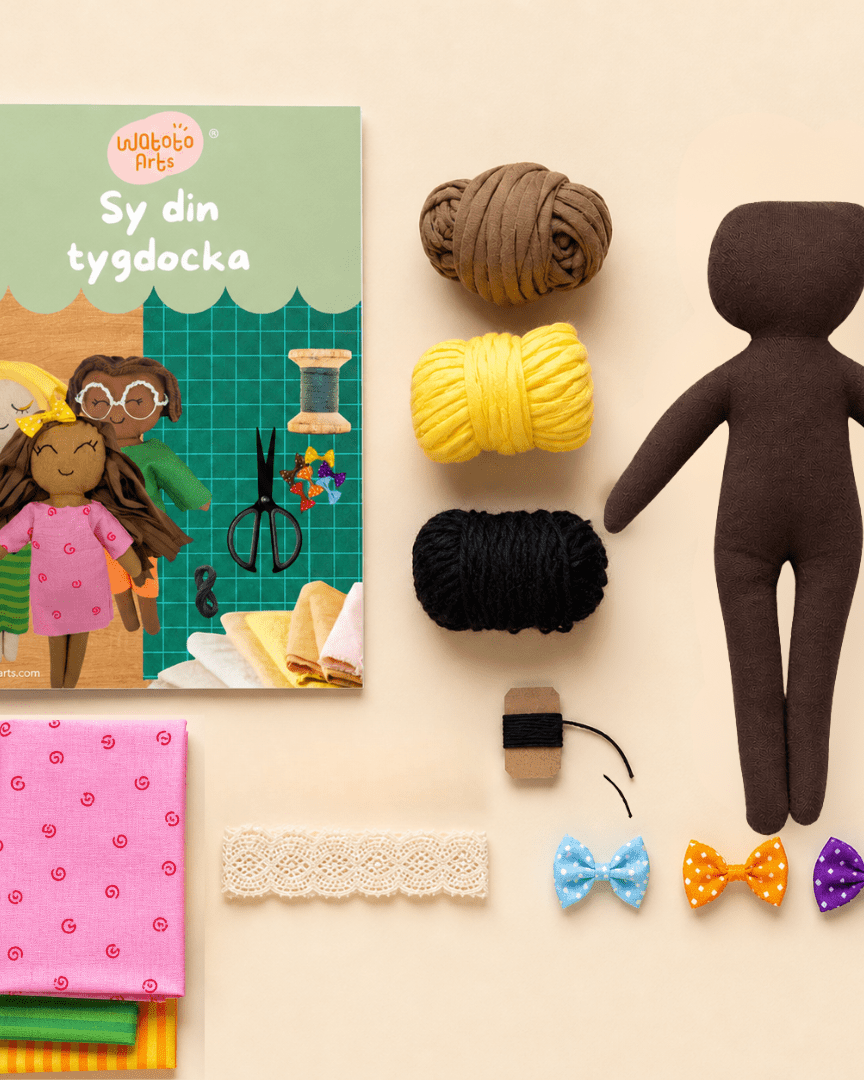
Together with Magi Förlag, we at Watoto Arts have created a package with the book Autumn Massage Stories and a soft doll with a diabetes sensor on its arm and an insulin pump on its belly. A package for families, preschools, and other children's organizations that want to read, play, and talk about type 1 diabetes.
Discover the package with the book and doll with a diabetes sensor.
A story about diabetes that continues in play
In one of the stories in Autumn Massage Stories, the children meet Aisha, who has type 1 diabetes. She talks about insulin, blood sugar, and the sensor and pump she uses.
Emma Widegren wrote the stories, and Helen Larsson illustrated the pictures. The book also contains other stories and massage activities about autumn experiences and themed days.
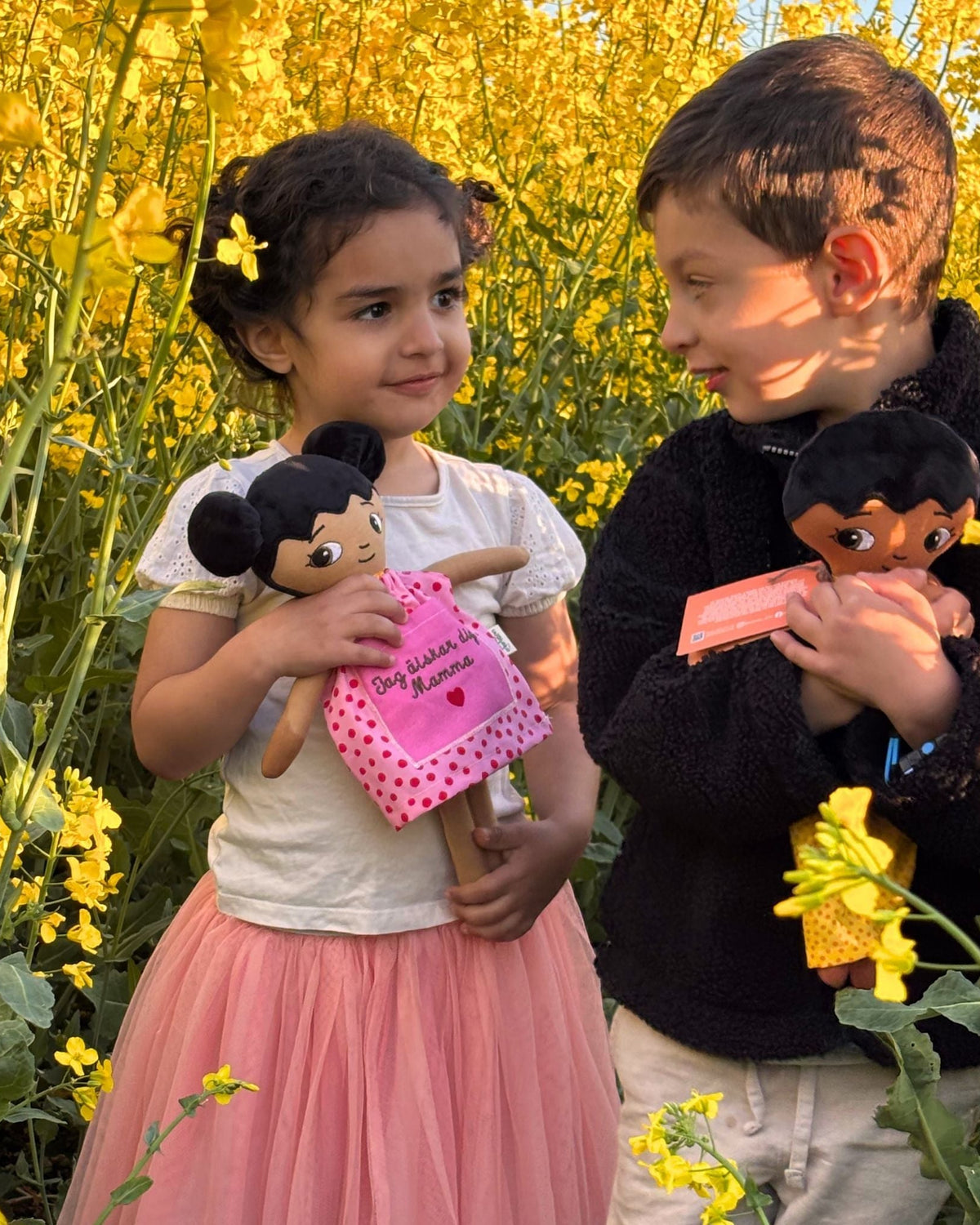
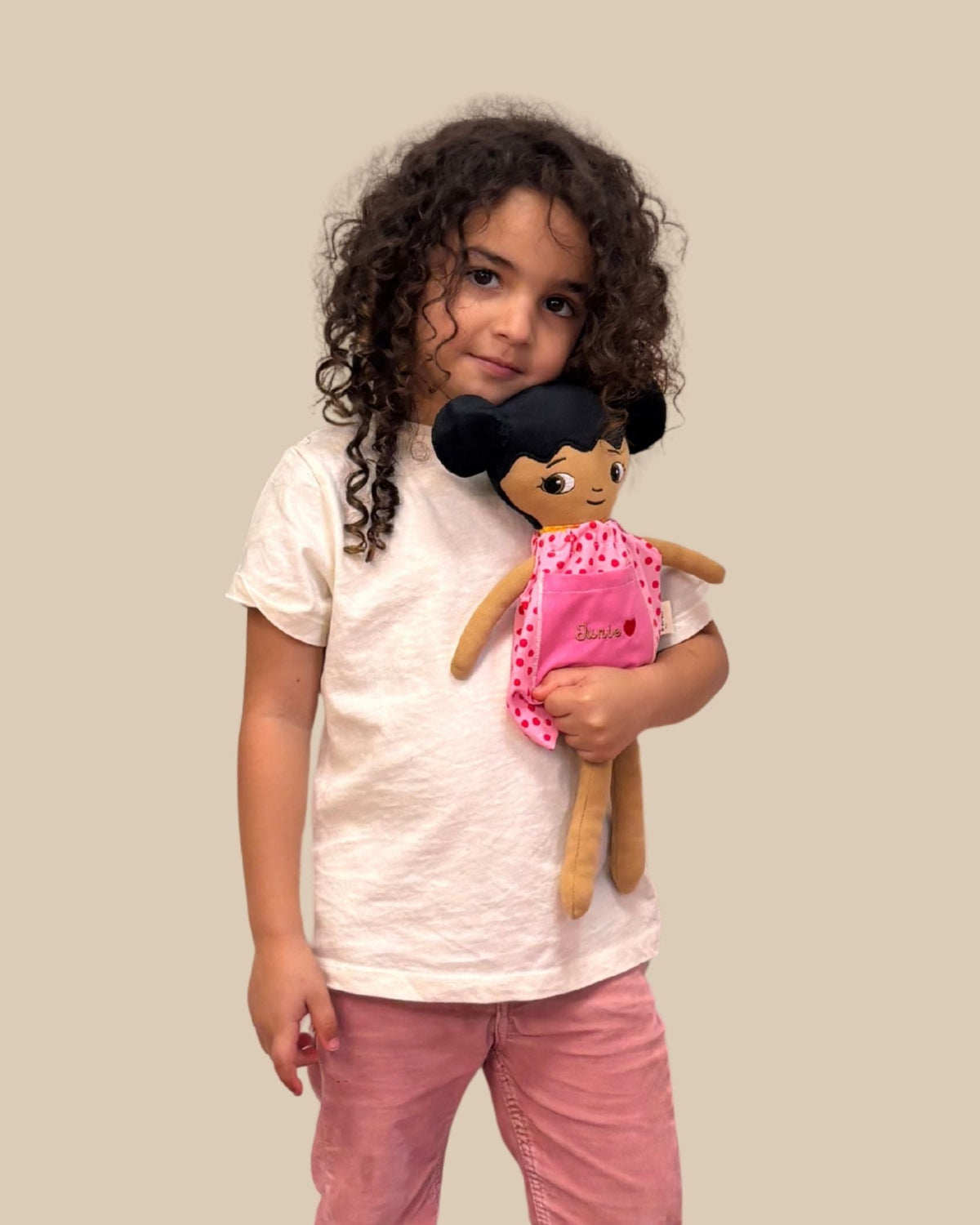
Aisha is also available as a Watoto Arts doll. The same doll appears in the book's illustrations, so that the children can recognize it when reading turns into play. They can look at the sensor and pump, retell events, and come up with their own continuations.
The connection between the book and the doll is the starting point for the package: the story can follow from the pages of the book into the children's own play.
A doll with a sensor and insulin pump for playing at home
For a child who has diabetes themselves, a doll with a sensor and insulin pump can provide recognition. Part of their own everyday life can be among the toys.
At home, the book and doll can become a common starting point for talking about the body, medical devices, and different needs. Read a section together, look at the pictures, and let the child show what they want to retell with the doll.
It could be a scene from the story or a new story that the child comes up with. The conversation can grow from what the child notices, with room to return to words and events multiple times.
Educational material about diabetes in preschool
For those looking for educational materials about diabetes, the package can be used as a complementary educational resource in preschool. The book and doll provide a common starting point for reading aloud, small group discussions, and role-playing.
A reading session can be structured in three steps:
- Read and discover the pictures. Choose a section from the story and stop at something the children show interest in.
- Connect the story to the doll. Look at the sensor on the arm and the pump on the belly. Return to the pictures and what Aisha says.
- Let the story continue in play. Give the children the opportunity to retell, act out, and create their own events with the doll.
Adapt the reading and discussion to the children's age, experiences, and interests. The activity can involve the whole group of children and their voluntary contributions.
The package can also be used for group reading times at libraries, open preschools, after-school programs, and other children's organizations. World Diabetes Day on November 14 is a possible starting point for a theme about diabetes, the body, and different needs.
Read or listen to the stories via QR codes
Each story has a QR code that links to an audio recording. This makes it possible to both read and listen to the stories.
An adult can play the story while the children follow the pictures in the book or hold the doll. The printed story, illustrations, audio, and doll provide several ways to engage with the same content.
Connections to the preschool curriculum, Lpfö 18 revised 2025
In the preschool curriculum, Lpfö 18 revised 2025 emphasizes the importance of play, group reading, and children's opportunities to talk about texts and pictures. The curriculum also highlights care and the ability to empathize with other people's situations.
We see several ways to connect the work with the package to these parts of the preschool mission:
| Area in the curriculum | Example of work with the book and doll |
|---|---|
| Language and communication | Read together, explore words, and let the children retell using speech, pictures, and actions. |
| Play and imagination | Let the doll become part of the children's enactment of the story and their own continuations. |
| Care and understanding | Use the story as a starting point for conversations about different needs and everyday experiences. |
It is the educator's planning, responsiveness, and choice of working method that shapes how the material is used in the group of children.
The Convention on the Rights of the Child, participation, and the right to play
We also connect the thinking behind the package to the rights in the Convention on the Rights of the Child:
- Article 2 states that children's rights shall apply without discrimination.
- Article 12 highlights the child's right to express their views in matters affecting them.
- Article 31 establishes the right to play, rest, leisure, and participation in cultural life.
In the work with the book and doll, these rights can be a starting point for making room for different experiences and letting the children contribute in their own ways. For us, inclusive play means that more parts of children's everyday lives can be included in stories and among the toys.
Discover the package with the book and doll
The package includes:
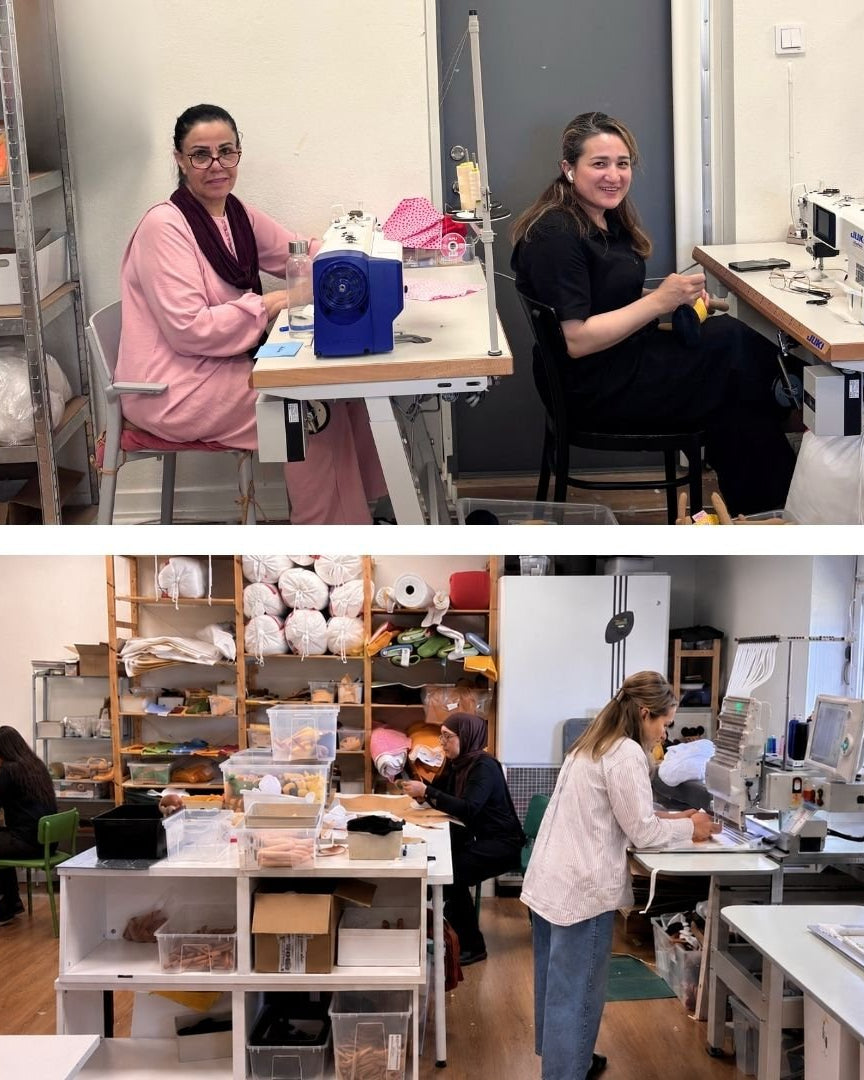
- A handmade Watoto doll with a diabetes sensor on its arm and an insulin pump on its belly.
- The book Autumn Massage Stories in Swedish, published by Magi Förlag.
View and order the package with the book and doll in our web store.
For those working in preschool, there are also more educational materials, children's books, and dolls to use in work with play, learning, and inclusion.